
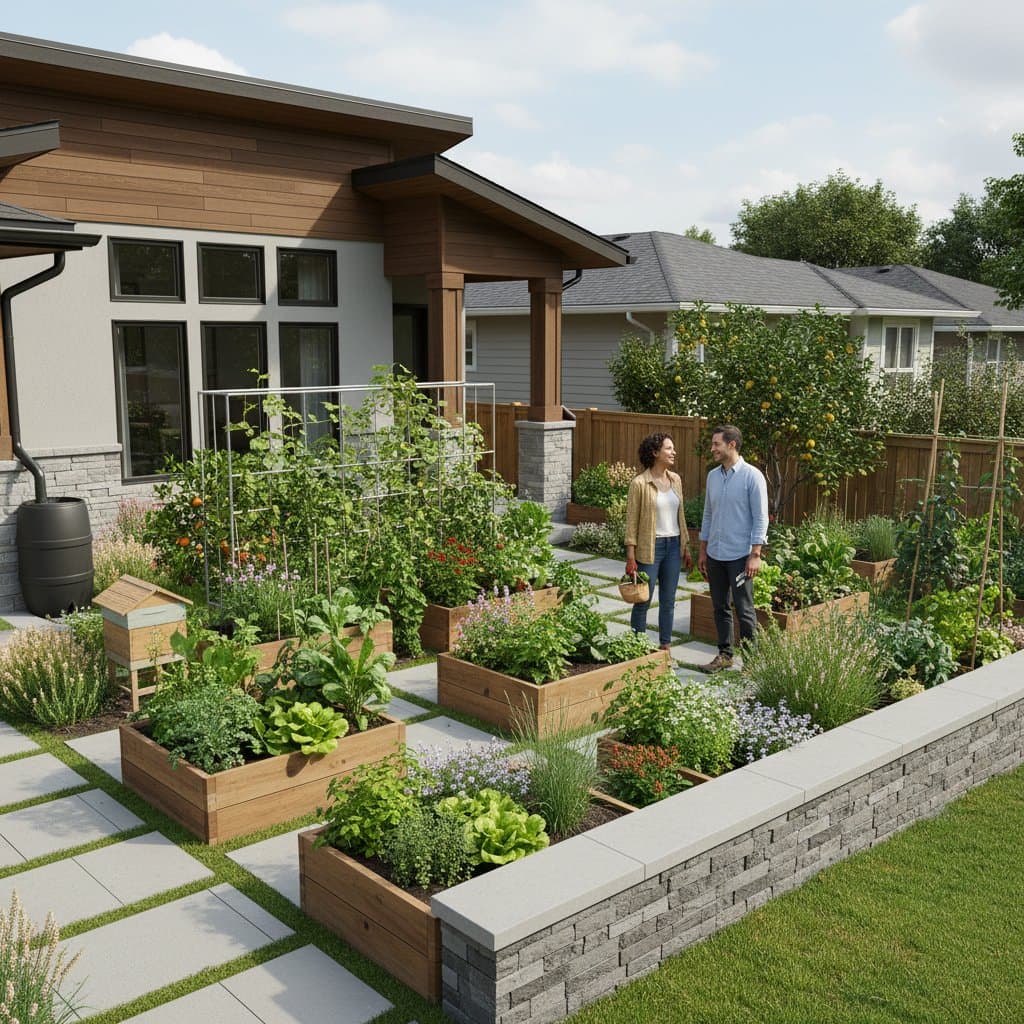
HOAs Now Approve Edible Front Yards for Food Gardens
Homeowners who once faced resistance from their neighborhood associations for turning lawns into vegetable gardens now find the rules changing in their favor. Across many communities, homeowner associations revise long-standing landscaping restrictions to allow edible front yards. This shift reflects a growing awareness that well-designed food gardens enhance property values, support sustainability, and strengthen neighborhood connections.
For California homeowners, where climate and culture both favor outdoor living, the edible front yard represents a practical and beautiful way to live closer to the land. With careful planning, it can look every bit as polished as a traditional ornamental garden while providing fresh produce right at the doorstep.
Why HOAs Are Changing Their Approach
For years, HOAs maintained strict guidelines to preserve uniform appearances and protect property values. Lawns, shrubs, and ornamental flowers served as the expected standard. Concerns about messy plots, water usage, or mismatched aesthetics made vegetable gardens a tough sell.
That perception shifts for several reasons. Homeowners grow more conscious of resource use, and lawns demand high water input while edible gardens can be designed to conserve it. Many vegetables and herbs thrive in Mediterranean climates, so replacing turf with food crops supports local water conservation goals. Modern edible landscaping combines form and function through raised beds, geometric layouts, and attractive plant pairings that create curb appeal equal to ornamental gardens. Shared enthusiasm for fresh food brings neighbors together, and a well-kept edible front yard signals care, creativity, and pride of place.
When residents present thoughtful landscape plans that respect community aesthetics, many HOAs open to approving them. The key lies in demonstrating that an edible garden can remain both productive and visually harmonious.
Designing a Compliant and Beautiful Edible Front Yard
The best edible front yards blend productivity with design sophistication. They appear deliberate, balanced, and consistent with the neighborhood style. Consider these design principles when planning your layout.
- Start with structure by defining edges with stone borders, low hedges, or wooden raised beds. Strong outlines keep the garden tidy and simplify maintenance.
- Use symmetry and rhythm through repeating shapes or plant groupings to create order. Align paths, beds, and plantings with the house to maintain architectural harmony.
- Mix ornamental and edible plants such as purple basil, rainbow chard, artichokes, and kale, which offer color and texture that rival traditional flowers. Combine them with lavender, rosemary, or native grasses for a cohesive look.
- Plan for every season by rotating crops and including evergreens or perennials so the garden stays attractive year-round. Empty patches invite criticism, so aim for constant visual interest.
- Include seating or focal points such as a small bench or ceramic pot to add polish and invite interaction. The more intentional the design appears, the more likely it gains HOA approval.
Navigating HOA Regulations
Before removing your lawn, review your HOA landscaping guidelines. If they have not yet updated their policies, you can still make a strong case for your project. Present a professional plan that addresses their typical concerns about aesthetic consistency, water management, maintenance commitment, and pest control. Show how your design fits existing community standards through color, form, and maintenance. Include drip irrigation, mulch, or rainwater capture to highlight efficiency. Outline a care schedule that ensures a polished appearance year-round. Explain how companion planting or natural deterrents will prevent issues that might affect neighboring properties.
When possible, include visual renderings or collaborate with a landscape designer familiar with HOA requirements. Many associations appreciate seeing that the project has professional input and a clear plan for upkeep.
The Benefits Extend Beyond the Kitchen
Edible front yards offer more than fresh produce. They create habitat for pollinators, reduce stormwater runoff, and lower food transportation costs. They also nurture a sense of accomplishment and connection to nature that ornamental lawns rarely provide. In California climate, where long growing seasons favor diverse crops, even a modest front-yard plot can yield impressive results. Tomatoes, peppers, herbs, strawberries, and citrus trees thrive with minimal fuss. For families, the garden becomes an outdoor classroom that teaches children where food comes from and how natural systems work together.
Homeowners often find that neighbors stop to chat, ask questions, or exchange produce. Over time, a single edible yard can inspire an entire street to think differently about what beautiful landscaping means.
Putting the Plan into Action
If your HOA now allows edible front yards, approach the project with the same care as any home improvement. Begin with a site assessment that considers sunlight, soil condition, and water access. Next, prepare a scaled design that integrates both aesthetics and productivity. When construction begins, treat the installation like a small renovation project. Coordinate deliveries, schedule irrigation installation before planting, and budget for quality materials. Durable raised-bed edges, efficient irrigation components, and healthy soil mixes reduce maintenance later.
Once planted, keep the garden looking intentional. Trim regularly, replace spent crops promptly, and refresh mulch to maintain clean lines. Small details like tidy edges or matching containers reinforce the sense of design integrity that HOAs value. These gardens add character, support local ecology, and turn front yards into living, edible art.