
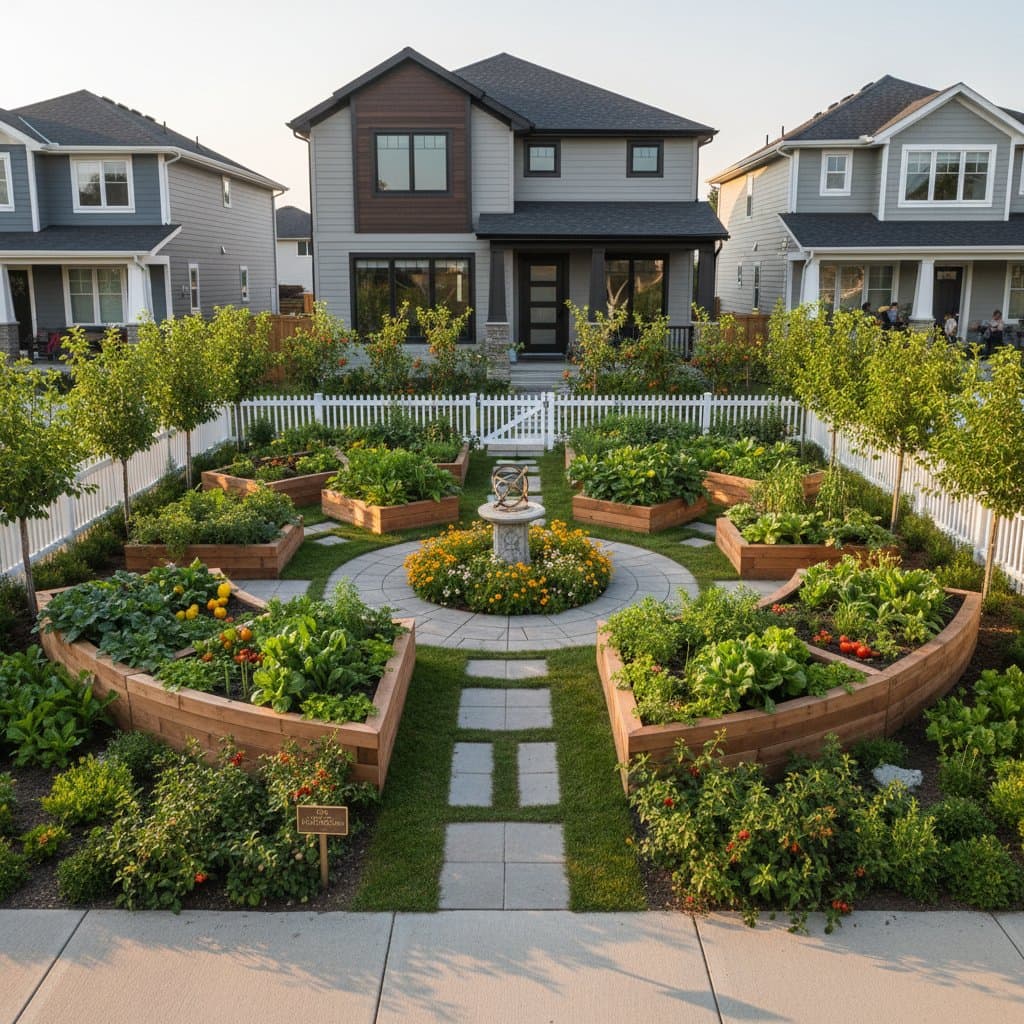
HOAs Embrace Edible Front Yard Gardens
Homeowners once hesitated to plant vegetables in front yards due to concerns over homeowners association restrictions. This reluctance is fading. In California and other regions, associations are updating landscape policies to accommodate productive yet attractive edible gardens. This evolution strikes a balance among visual appeal, environmental responsibility, and communal health.
Redefining Neighborhood Aesthetics
Homeowners associations traditionally emphasized uniformity in landscapes, with manicured lawns and coordinated plantings setting the standard for acceptability. Edible front yard gardens introduce a fresh approach, demonstrating that utility and elegance coexist. Proper planning ensures these gardens match the sophistication of conventional ornamental designs through considerations of structure, proportion, and seasonal variety.
Raised beds constructed from natural stone or durable metal frames establish defined edges that align with association rules. Varied lettuces, aromatic herbs, and vibrant vegetables contribute depth and focal points without appearing disorganized. The outcome is a dynamic, purposeful space that elevates rather than detracts from street-facing views. Associations increasingly recognize that high-quality designs in edible gardens improve overall neighborhood attractiveness.
Factors Influencing HOA Policy Shifts
Multiple elements contribute to this policy transformation. Water conservation stands out prominently, as lawns demand substantial irrigation, whereas edible gardens benefit from efficient drip systems and organic mulches that preserve moisture. Environmental sustainability plays another key role, with local food production minimizing the ecological impact of commercial agriculture, including reduced transportation emissions and plastic waste.
Social benefits further support the change. Gardening interests unite residents, sparking interactions such as exchanging heirloom seeds or discussing soil enrichment techniques. Associations that previously viewed such gardens as detractors now regard them as enhancements to community cohesion.
Steps to Create an HOA-Compliant Edible Garden
-
Review governing documents. Examine your association's landscape regulations thoroughly. Recent updates often outline permissible materials for beds, maximum plant heights, and required distances from property lines. This preparation prevents disputes and facilitates a design that meets standards from the outset.
-
Integrate aesthetics and utility. Approach the front yard as a cohesive landscape element. Employ balanced patterns, recurring motifs, and distinct borders. Incorporate gravel or stone pathways to delineate zones and simplify upkeep. Install vertical supports for climbing crops like pole beans to add architectural interest compatible with established styles.
-
Select visually appealing varieties. Opt for crops with inherent ornamental qualities. Rainbow Swiss chard offers bold foliage, red romaine lettuce provides contrast, and globe artichokes deliver architectural form. Hardy herbs including rosemary and oregano attract pollinators while emitting pleasant scents. Edible blooms such as nasturtiums introduce softness and support biodiversity.
-
Prioritize consistent upkeep. Neatness influences perceptions significantly. Schedule routine trimming, succession planting for continuous coverage, and mulching to suppress weeds. Associations respond favorably to gardens that demonstrate ongoing commitment and polish.
-
Combine with regional natives. Pair food plants with drought-resistant local species to honor ecological context and lower resource needs. For instance, interplant California fuchsia with determinate tomato varieties or basil to achieve harmony and resilience.
Engaging Your HOA Effectively
Clear communication proves essential amid evolving norms. Present a preliminary proposal to the board prior to implementation, featuring a detailed plant inventory, basic drawings, and photographs of comparable installations. This professional presentation underscores respect for shared standards and increases approval likelihood.
Certain residents lead by example, proposing to establish the initial edible garden as a demonstration project. Sharing updates through images or organizing informal tours addresses potential reservations and encourages adoption across the community.
Tangible Advantages of Front Yard Edibles
Beyond the pleasure of harvesting homegrown items, these gardens yield practical gains. Households reduce food expenses, youth gain insights into agriculture, and essential insects discover foraging opportunities. In mild climates, dedicated beds produce salad greens, culinary herbs, and root crops throughout much of the year.
Regarding real estate, meticulously tended edible landscapes appeal to eco-conscious purchasers. As utility rates climb, alternatives to turf grass gain value. Progressive associations understand that endorsing such innovations enhances long-term desirability.
Harmonizing Design and Environmental Goals
Effective edible landscapes equate style with yield. Employ concealed, water-saving irrigation to avoid visual clutter. Select structures that complement residential architecture, using materials like weathered steel, untreated cedar, or sustainable composites for longevity and unity. Subtle touches, such as coordinating trellis hues with exterior accents, foster seamless incorporation.
Strategic illumination enhances evening presence. Solar-powered fixtures along borders accentuate features, positioning the garden as a deliberate home extension. Conceal utility elements like composters behind lattice screens or evergreen hedges to uphold tidiness.
Nurturing Long-Term Garden Success
With approval secured, focus shifts to cultivation. Implement crop rotations annually to bolster soil vitality. Amend earth with compost seasonally and calibrate watering to match plant requirements. Engage neighbors by offering samples of sun-ripened produce, transforming the space into a communal hub.
Edible front yards ultimately expand definitions of residential allure. They illustrate the compatibility of ecological stewardship and refined presentation. For residents, this approach yields fresh nourishment alongside expressions of stewardship, ingenuity, and environmental attunement. Associations that champion this integration foster thriving, interconnected enclaves.