
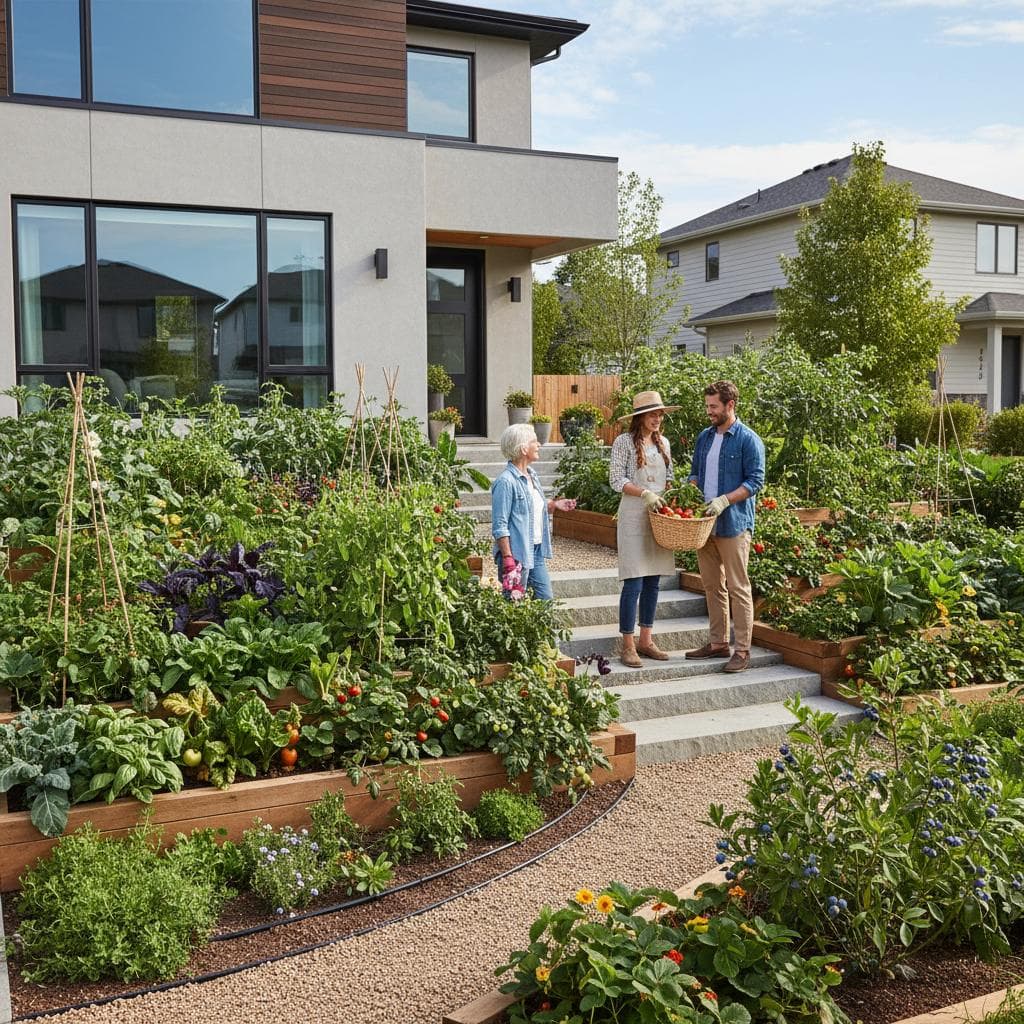
Why Edible Front Yards Will Boom by 2026
When Sarah and Michael purchased their modest suburban home, the front yard featured a standard grass lawn that demanded constant irrigation. They sought a more meaningful use of the space. The couple envisioned growing their own food in a manner that maintained visual harmony and welcomed neighbors. This approach resulted in an edible front yard, where conventional turf gives way to functional, attractive gardens.
At a Glance
- Who lives here: A young family of three committed to sustainable practices
- Location: Suburban neighborhood along a tree-lined street
- Size: 750-square-meter lot featuring a compact front yard
- Designer: Greenform Landscapes
- Contractor: Urban Soil Builders
- Main goal: Transform a ornamental lawn into a productive, low-maintenance edible garden
The Shift Toward Productive Beauty
In numerous communities, residents reevaluate the purpose of front yards. Traditional grass lawns represent tidiness and upkeep, but they require substantial water, fertilizers, and labor for minimal benefits. Edible front yards integrate utility with visual charm, creating an on-site food source that appears sophisticated. Professionals now view these installations as urban agriculture solutions that nourish both body and landscape.
These gardens extend beyond simple vegetable plots. They incorporate enduring herbs, fruit-bearing shrubs, and lush foliage that align with neighborhood aesthetics. A well-planned arrangement of structured elements and bountiful growth enhances the overall streetscape while supporting family meals.
A Guided Tour Through an Edible Landscape
In Sarah and Michael’s yard, the entry path separates two primary planting areas. One side displays low blueberry hedges along the walkway, pruned to align with classic boxwood heights. The opposite side contains raised beds for seasonal greens, edged with gravel mulch to maintain neat boundaries.
Near the front porch, rosemary and thyme cascade softly over stone edging. Their scent welcomes visitors upon approach. A compact dwarf lemon tree serves as the central feature, selected for its restrained size and shiny leaves. Positioned against a sun-exposed wall, the tree receives optimal warmth and contributes architectural balance to the layout.
Each selection fulfills aesthetic and practical purposes. Varied greens such as rainbow chard and red-veined sorrel provide hues comparable to decorative varieties. Vertical bean supports add height, with vines that gently drape the fence for a natural transition.
Design Choices That Make It Work
1. Layered Planting Structure
The designer organized plants according to stature and texture. Ground-level herbs line the edges, mid-height vegetables like peppers and lettuces fill central spaces, and upright fruit producers secure the corners. This tiered method ensures order and ease of access during harvest.
2. Durable Hardscaping
Concrete pavers guide visitors from the sidewalk to the entrance, flanked by reclaimed brick borders. These firm elements distinguish pathways from plantings. Gravel mulch suppresses weeds and directs sunlight to lower leaves.
3. Smart Irrigation
A subsurface drip irrigation network supplies moisture straight to plant roots. This setup conserves water and avoids wetting leaves, thereby reducing disease risk. Homeowners control the system via an adjustable timer that accounts for local weather patterns.
4. Year-Round Interest
To avoid empty periods post-harvest, the plan features persistent evergreen herbs alongside edible blooms. Options like nasturtiums, violas, and calendula sustain vibrancy and draw beneficial insects.
Why This Trend Is Growing
Edible front yards address several homeowner priorities simultaneously. Individuals seek reliable food sources, reduced shopping expenses, and inviting outdoor areas. Proximity to the kitchen enhances the appeal of homegrown items, linking ease with environmental responsibility.
Experts refine methods to ensure visual unity. Current plant selections prioritize ornamentation alongside output. Elements such as ornate trellises, artistic containers, and discreet compost stations merge utility with elegance.
Local regulations evolve as well. Numerous municipalities revise ordinances to allow food plants in prominent locations, as long as the areas stay groomed and orderly. Such policy changes eliminate key obstacles that previously deterred adoption.
Voices from the Field
“People desire landscapes with purpose,” notes landscape designer Laura Chen, an expert in edible designs. “A front yard that provides nourishment while appearing refined holds significant appeal.”
Michael shares, “We used to mow every weekend. Now we harvest. The garden supplies food and opportunities to connect with neighbors.”
Maintaining and Expanding Your Edible Front Yard
Edible front yards demand consistent care, but the efforts yield substantial returns. Regular trimming, staggered sowing, and ongoing soil enrichment sustain yields. Gradually, the earth builds fertility, rendering the garden more independent.
Those contemplating a transition should begin modestly. Substitute a narrow lawn section with herbs or berry shrubs. Introduce elevated beds along paths or exchange border plantings for fruit varieties. Incremental adjustments build productivity without disrupting the overall scheme.
As interest expands, edible front yards gain prevalence. They deliver aesthetic pleasure, culinary rewards, and a deeper bond with the surroundings.