Lawn Care

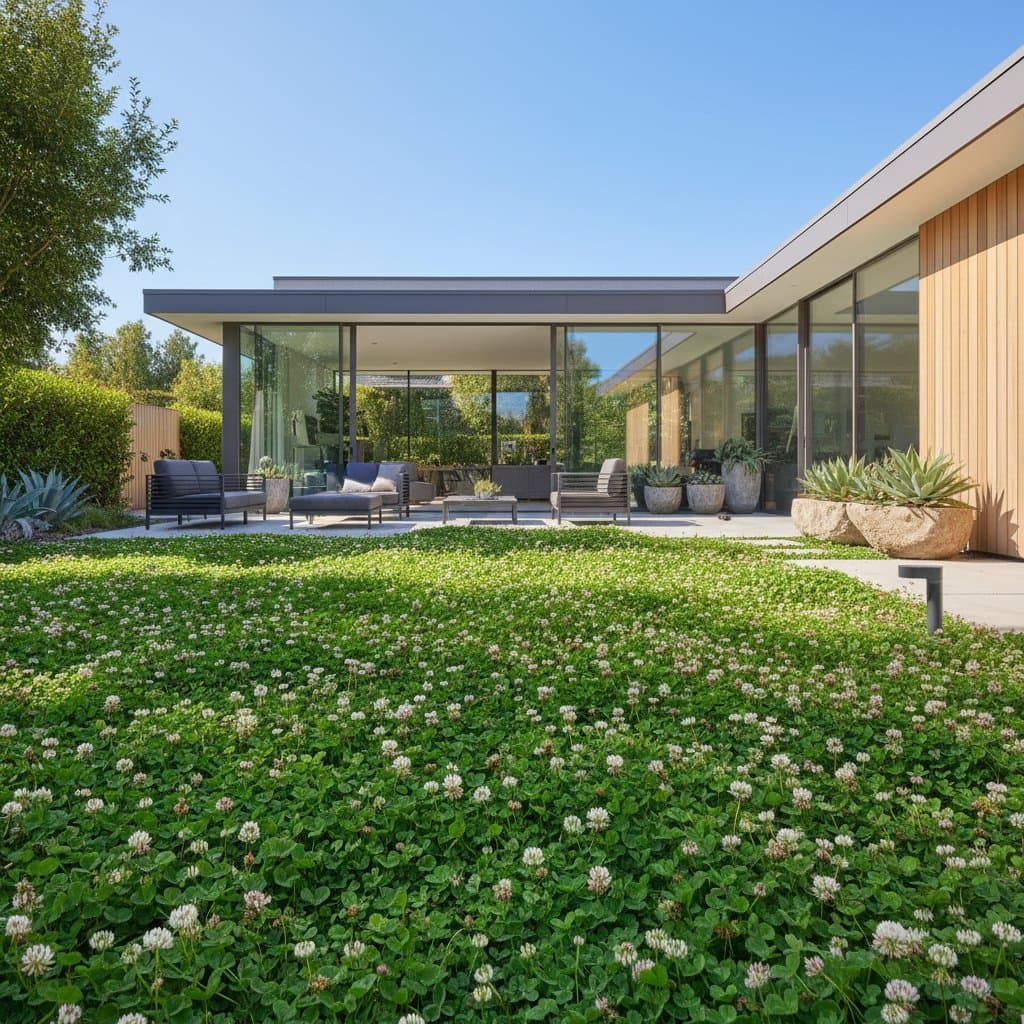
Featured image for Clover Lawns Stay Green Without Weekly Watering

Clover Lawns Stay Green Without Weekly Watering

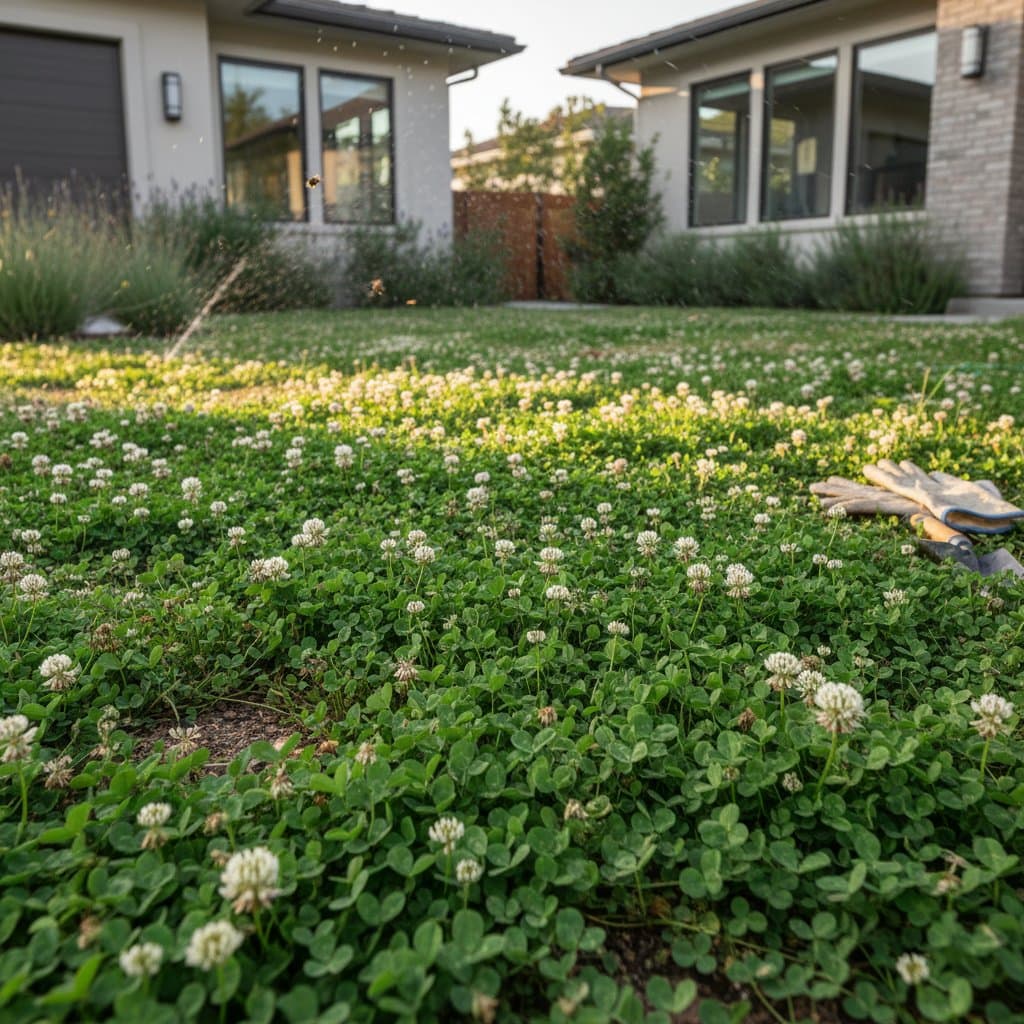
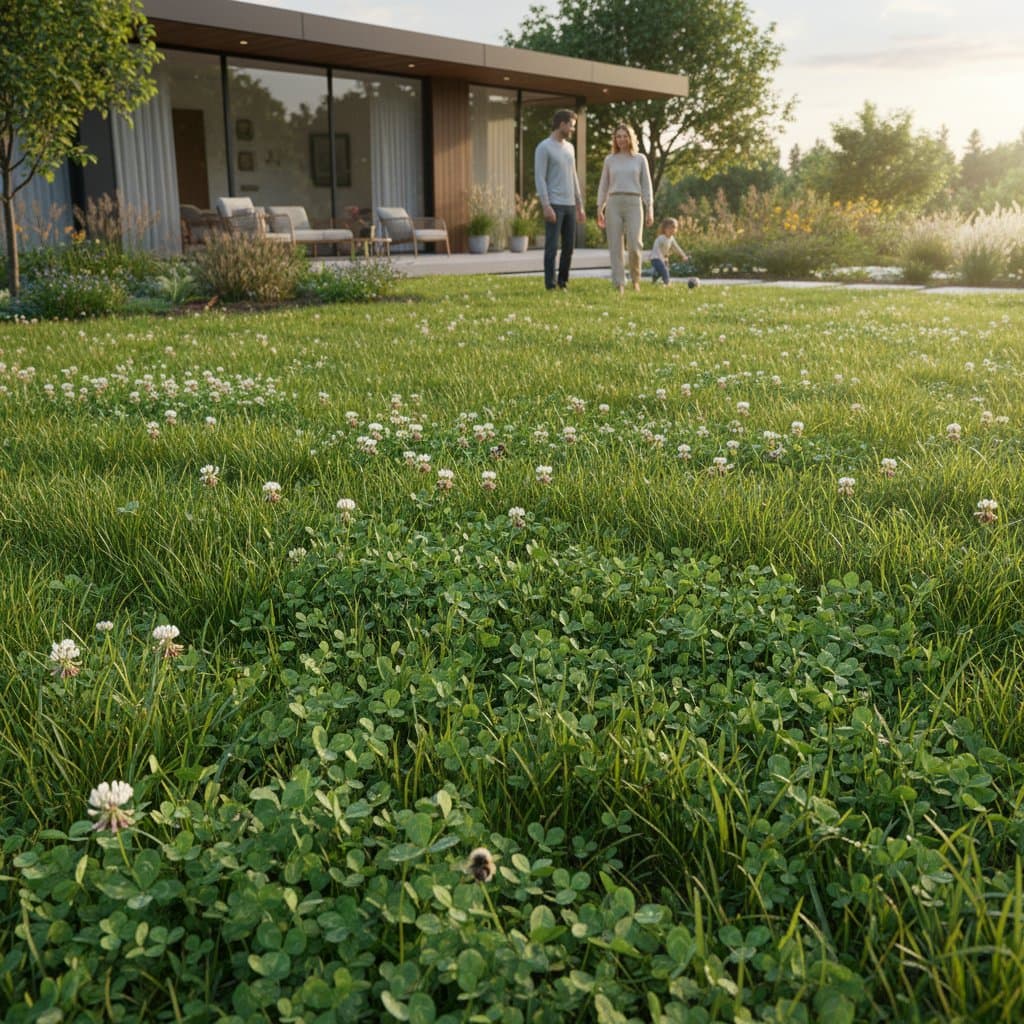
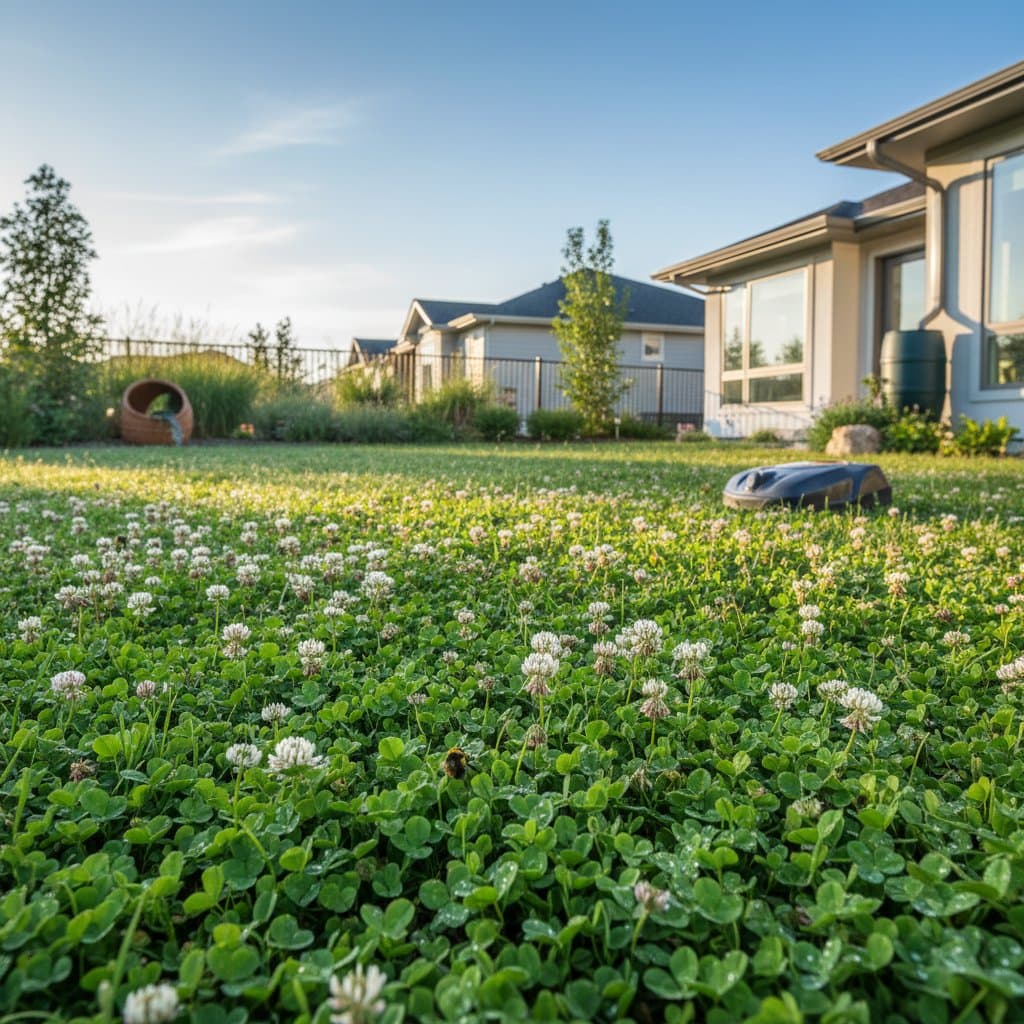
Homeowner surveys from 2025 highlight clover lawns surpassing traditional grass in appeal, durability, and sustainability. These yards demand less water, fertilizer, and mowing while fostering pollinators and cutting costs. As sustainability gains priority, clover lawns deliver enduring curb appeal with lush, natural greenery from spring to fall.

7 min read
Featured image for Clover Lawns Cut Water Use While Staying Green Year-Round

Clover Lawns Cut Water Use While Staying Green Year-Round

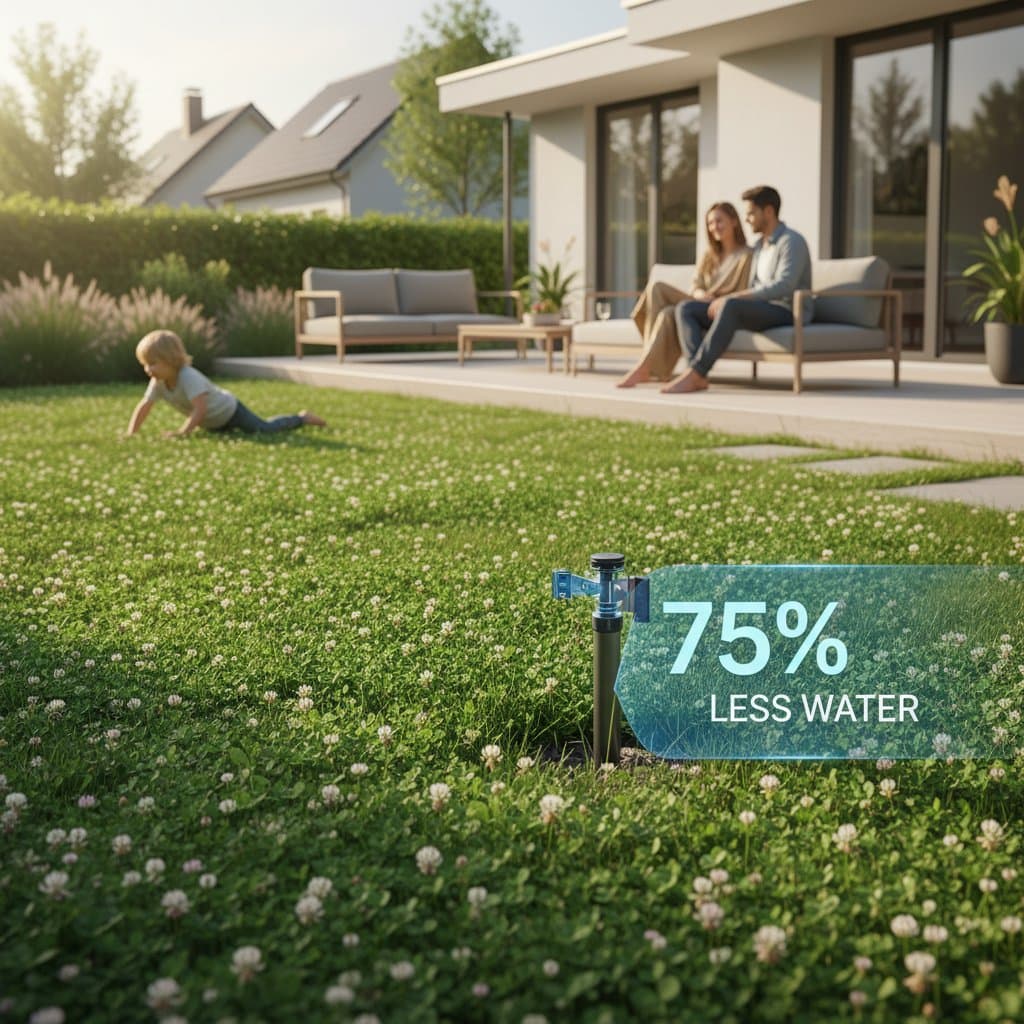
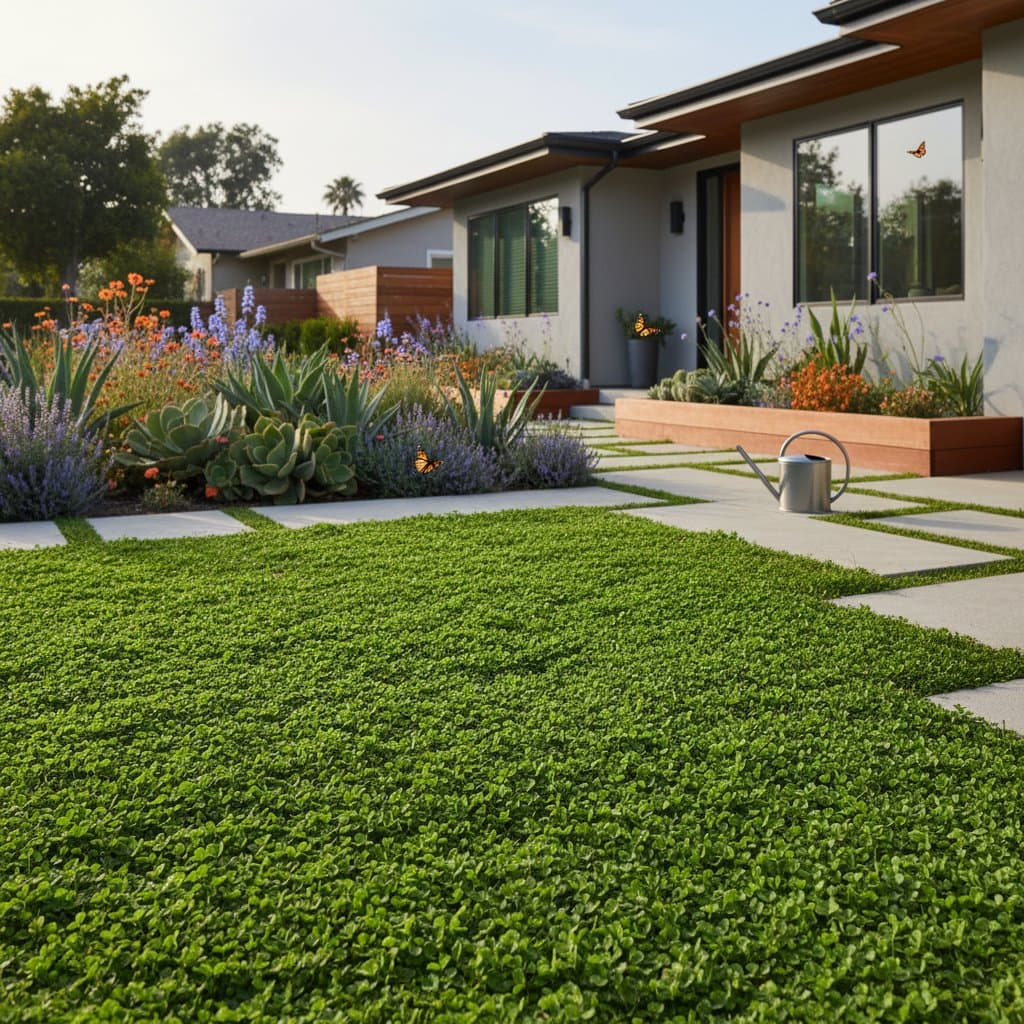
Clover lawns transform California landscapes by replacing water-intensive grass with a resilient, eco-conscious ground cover. Drought-resistant and self-sustaining, clover demands little water or fertilizer, fosters pollinators, and provides a soft, inviting surface. Homeowners gain sustainable yards that embody environmental responsibility and aesthetic elegance in 2025.

5 min read
Featured image for Clover Lawns Cut Mowing Time by 70% With Less Water

Clover Lawns Cut Mowing Time by 70% With Less Water

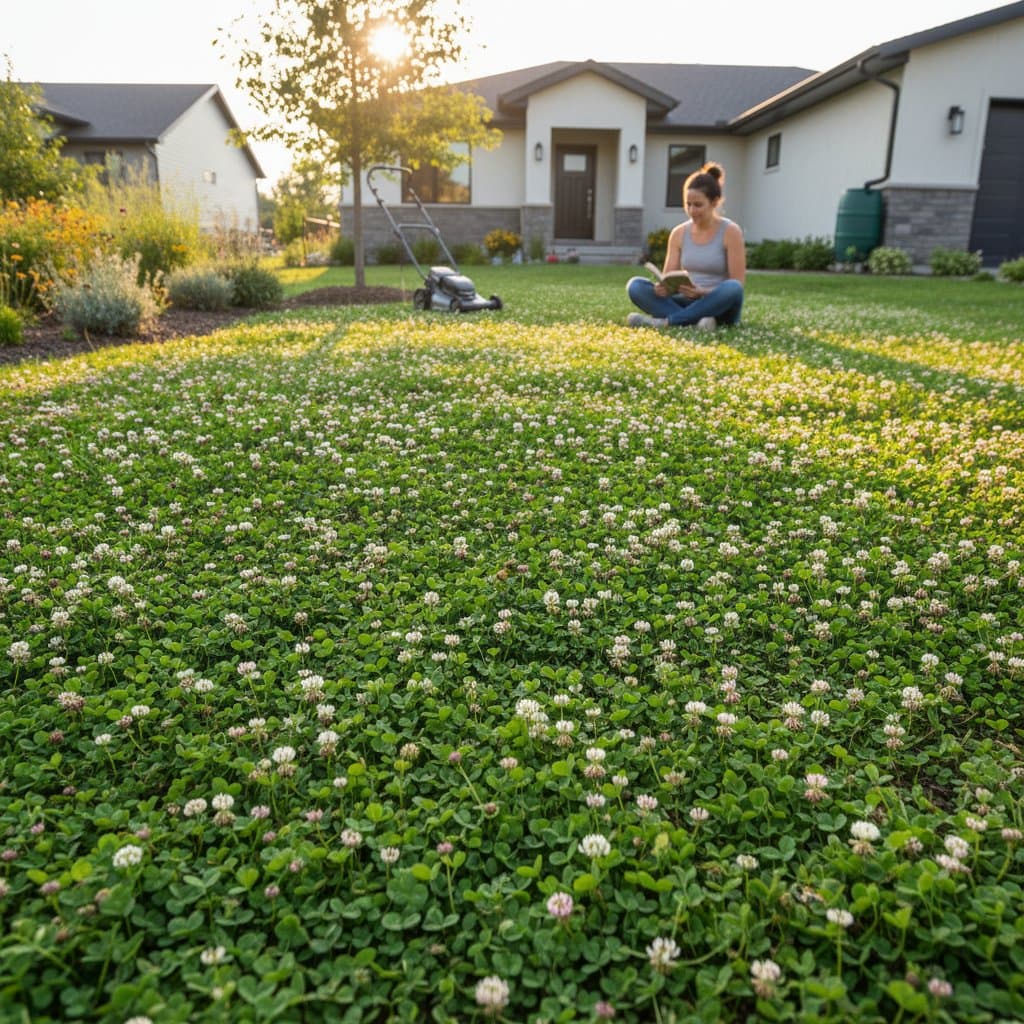
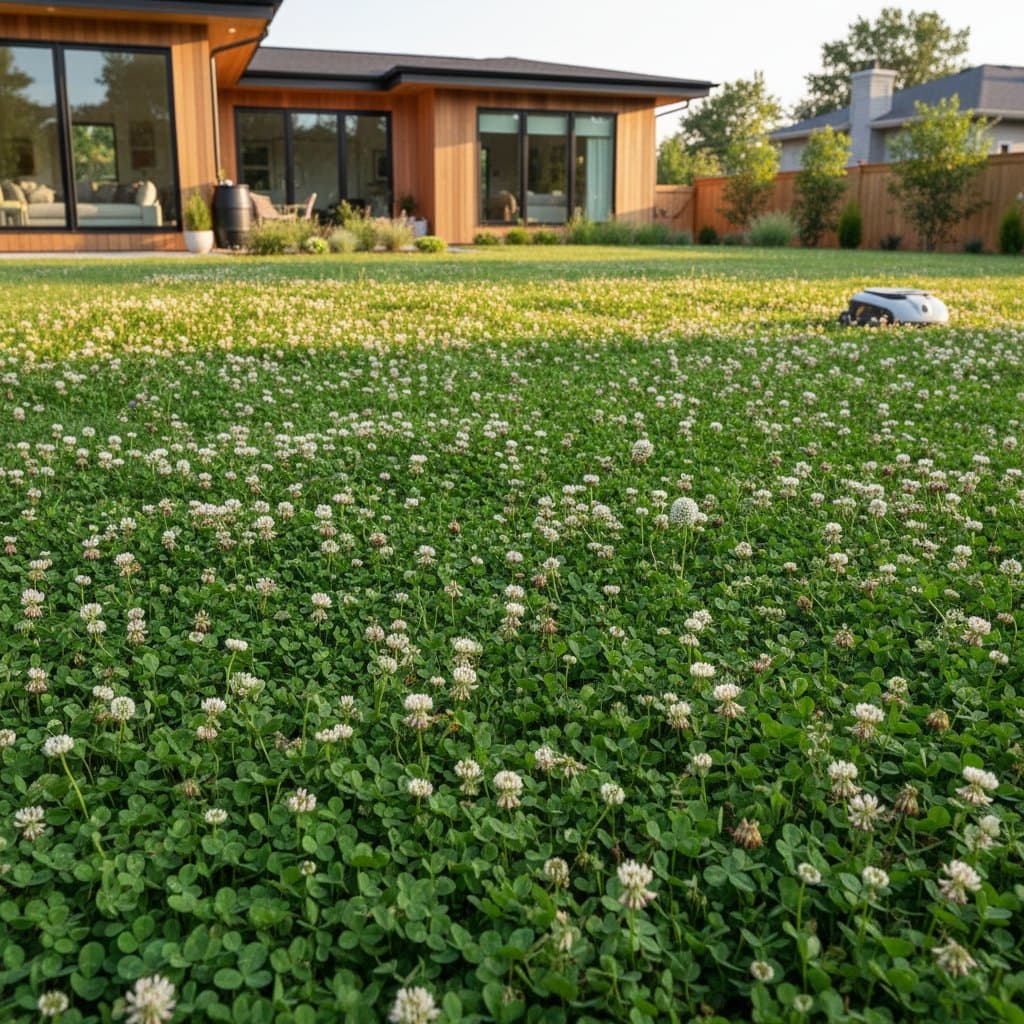
Clover lawns revolutionize traditional yards by delivering lush coverage that requires 70 percent less mowing, reduced watering, and no fertilizers. Versatile and environmentally beneficial, they improve soil health, draw in pollinators, and perform reliably throughout the year. Learn how this sustainable option fosters dynamic landscapes that combine aesthetic appeal with minimal upkeep.

6 min read
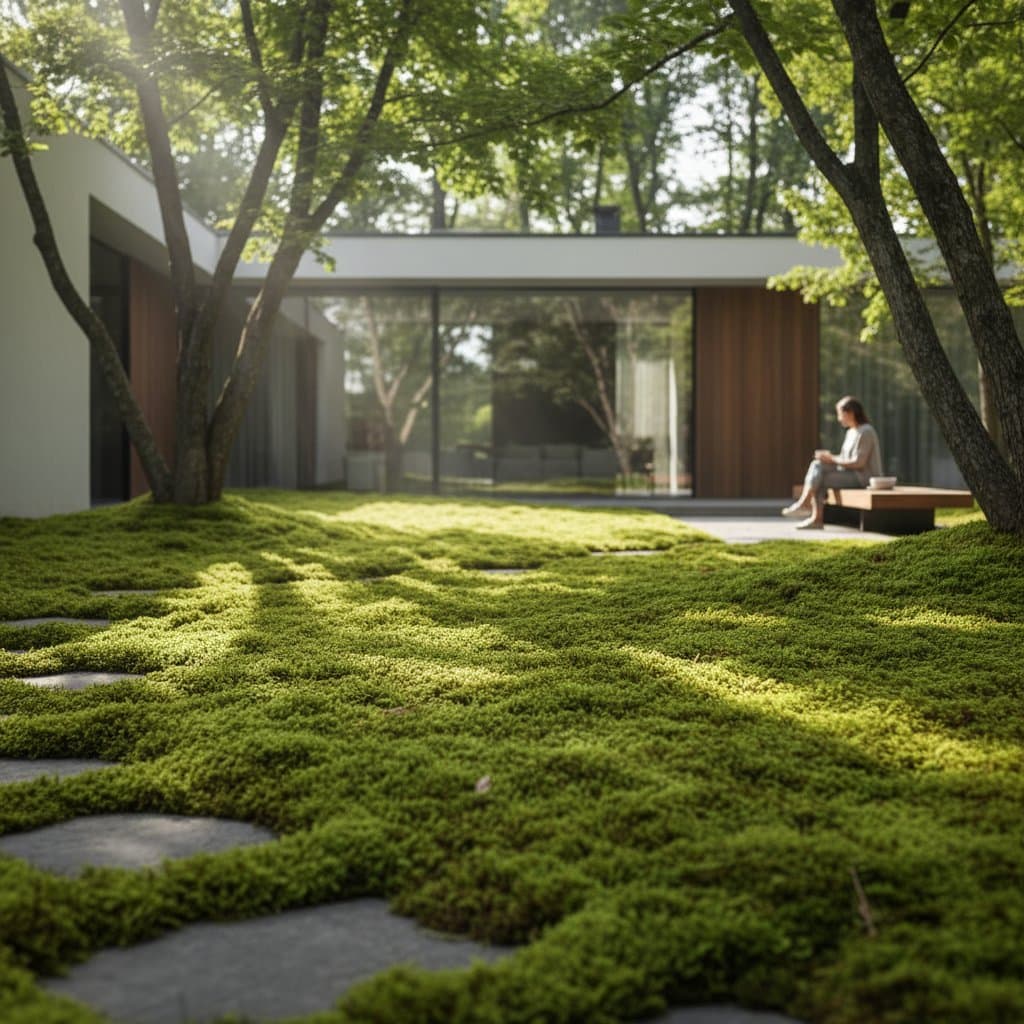
Featured image for Moss Lawns Cut Mowing and Thrive in Shade

Moss Lawns Cut Mowing and Thrive in Shade

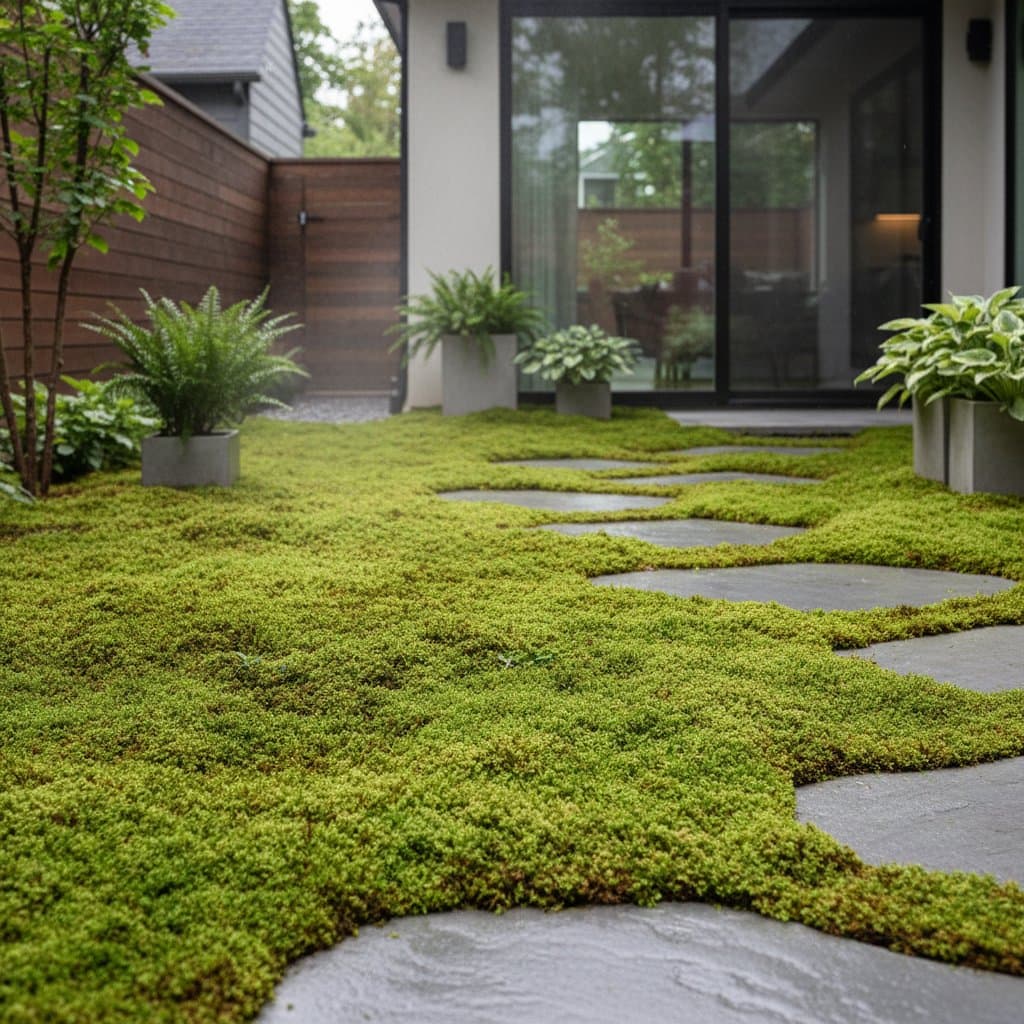
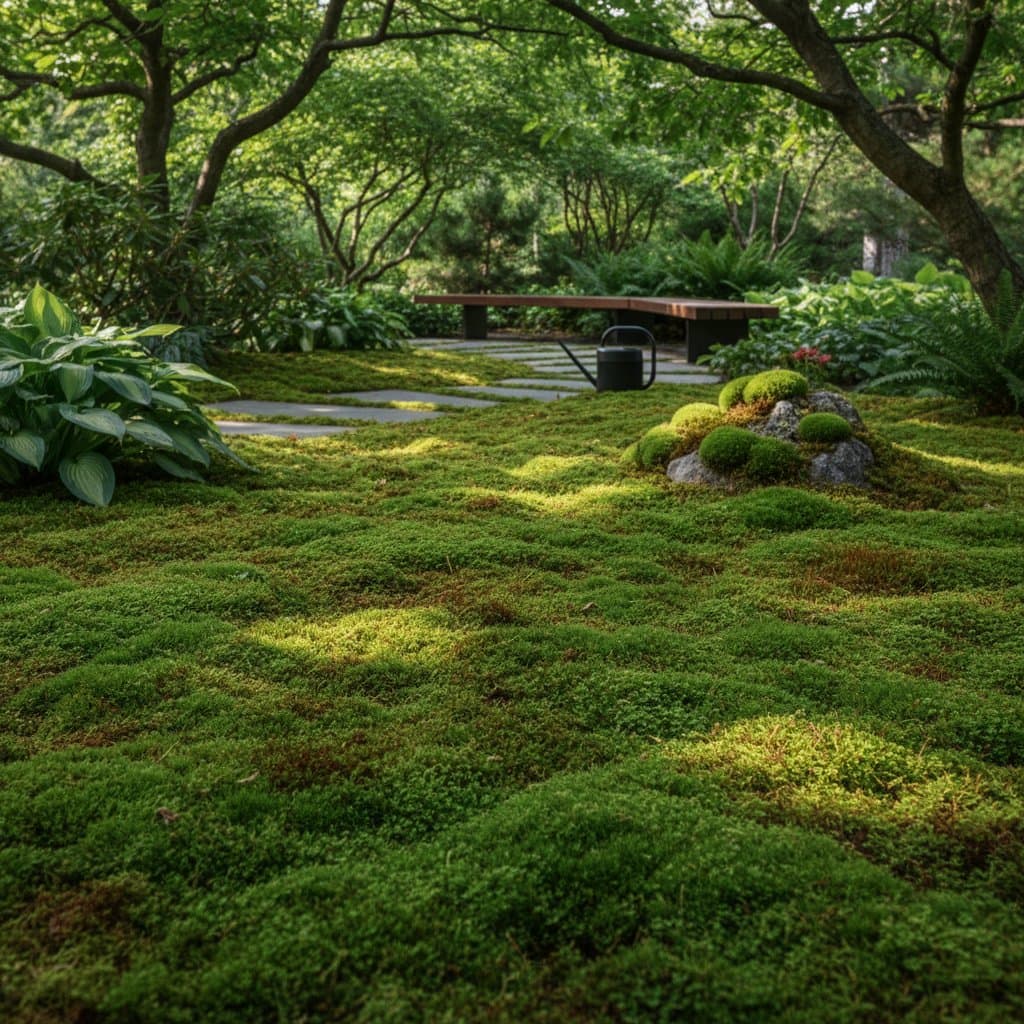
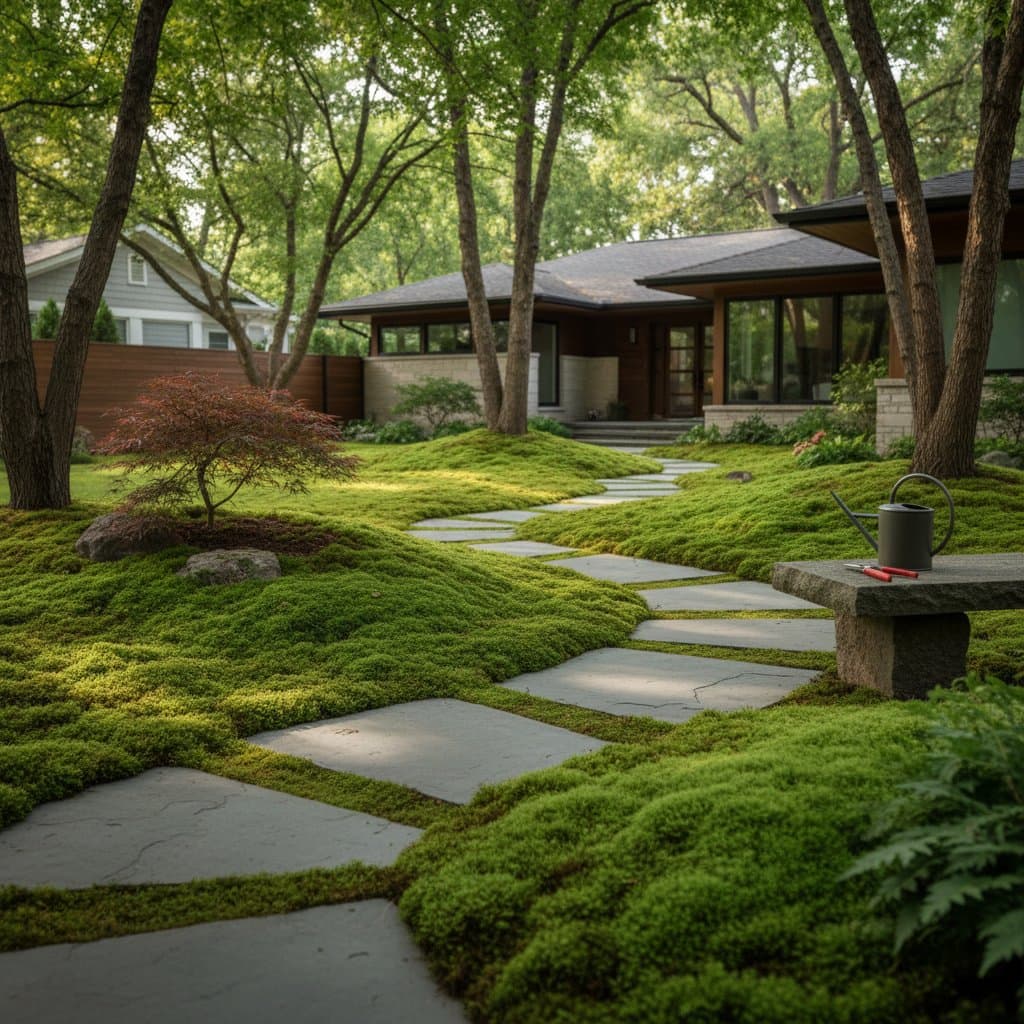
Moss lawns transform sustainable landscaping by delivering persistent greenery, reduced upkeep, and inherent water efficiency. These coverings flourish in areas where grass struggles, forming tranquil, environmentally sound areas free from mowing or chemical inputs. Homeowners achieve a verdant, minimal-impact option through site-adapted choices and deliberate planning, yielding both utility and aesthetic appeal.

5 min read
Featured image for Why Clover Lawns Need Less Work Than Grass

Why Clover Lawns Need Less Work Than Grass

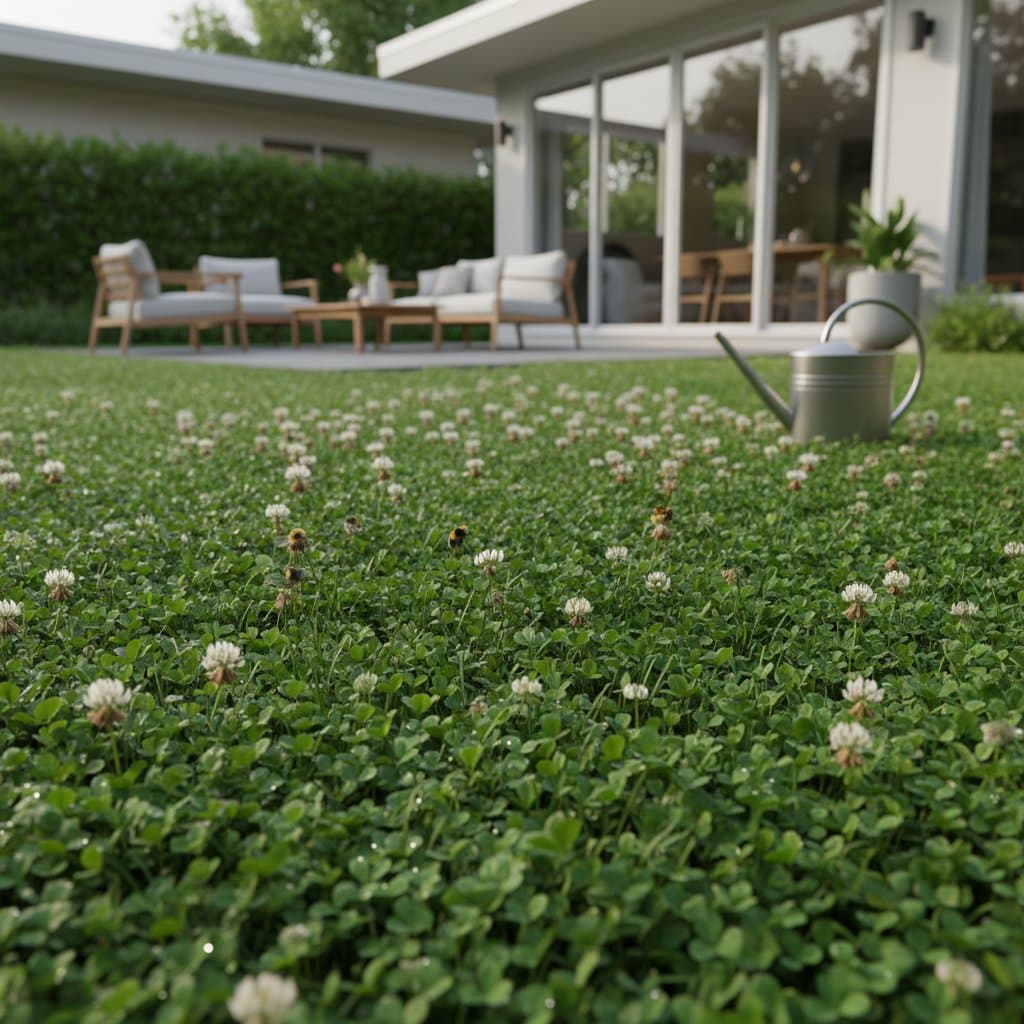
Homeowners increasingly opt for clover lawns over traditional grass to achieve lush, green spaces that require less mowing, watering, and fertilizing. These resilient ground covers enrich the soil, attract pollinators, and maintain their appeal through seasons, offering a sustainable solution for beautiful, low-effort outdoor areas.

5 min read
Featured image for Moss Lawns Thrive Where Grass Fails in Shade

Moss Lawns Thrive Where Grass Fails in Shade

With rising water costs and shade hindering traditional lawns, moss provides a lush, low-maintenance alternative. It thrives without mowing or irrigation, delivering sustainability, tranquility, and perpetual greenery to challenging spaces. See how moss lawns convert tough areas into enduring, eco-conscious havens that merge beauty, utility, and ecological balance.

5 min read
Featured image for Clover Lawns Cut Water Use and Fertilizer Costs

Clover Lawns Cut Water Use and Fertilizer Costs

Clover lawns gain popularity, with a 300 percent increase among homeowners seeking low-maintenance options. This groundcover offers softer texture, vibrant green color, and benefits for pollinators while improving soil health and minimizing mowing and chemical inputs. Learn how clover creates attractive, sustainable landscapes that balance aesthetics with environmental responsibility.

4 min read
Featured image for Clover Lawns Cut Mowing 60%, Stay Green With Less Water

Clover Lawns Cut Mowing 60%, Stay Green With Less Water

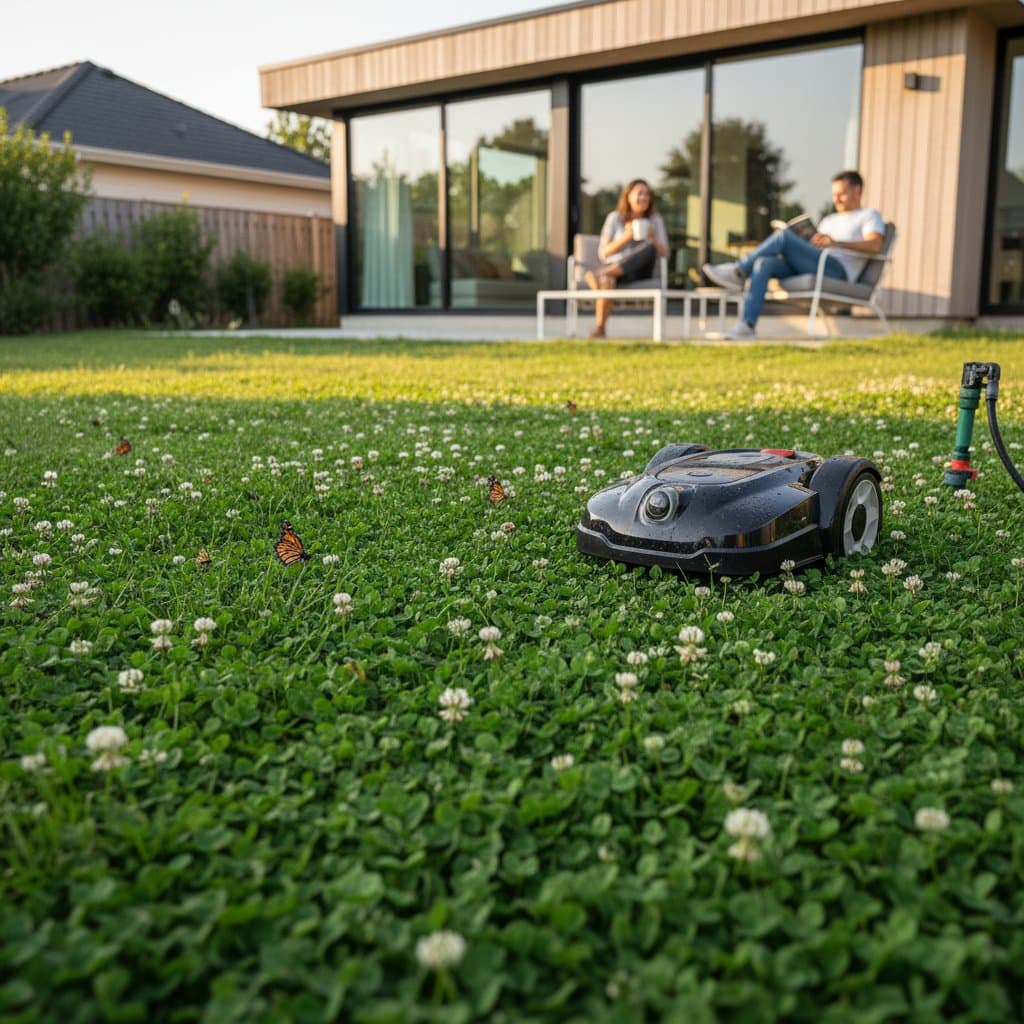
Clover lawns revolutionize outdoor spaces by providing dense, green coverage with minimal upkeep. Options like microclover or white clover blends allow homeowners to decrease mowing frequency by 60 percent, cut water consumption, and forgo chemical fertilizers. These resilient landscapes foster pollinator habitats, withstand drought conditions, and deliver enduring beauty as a practical substitute for conventional turf.

5 min read
Featured image for Why Moss Lawns End Mowing Forever in 2025

Why Moss Lawns End Mowing Forever in 2025

In 2025, moss lawns redefine landscaping by replacing grass with low-maintenance, lush coverage that requires no mowing. These eco-friendly options excel in shade, save water, and cut emissions while providing year-round beauty and simplicity. Learn how moss transforms yards into effortless, serene retreats.

6 min read
Featured image for Why Clover Lawns Surge 300% as Grass Alternative

Why Clover Lawns Surge 300% as Grass Alternative

Clover lawns represent a transformative shift in yard design, experiencing a 300% rise in adoption as homeowners embrace low-maintenance, eco-friendly options to traditional grass. These resilient coverings require minimal water, fertilizer, and mowing while improving soil quality and attracting pollinators. Explore how clover fosters sustainable, vibrant landscapes across California.

4 min read
Featured image for Why Homeowners Are Replacing Grass with Clover

Why Homeowners Are Replacing Grass with Clover

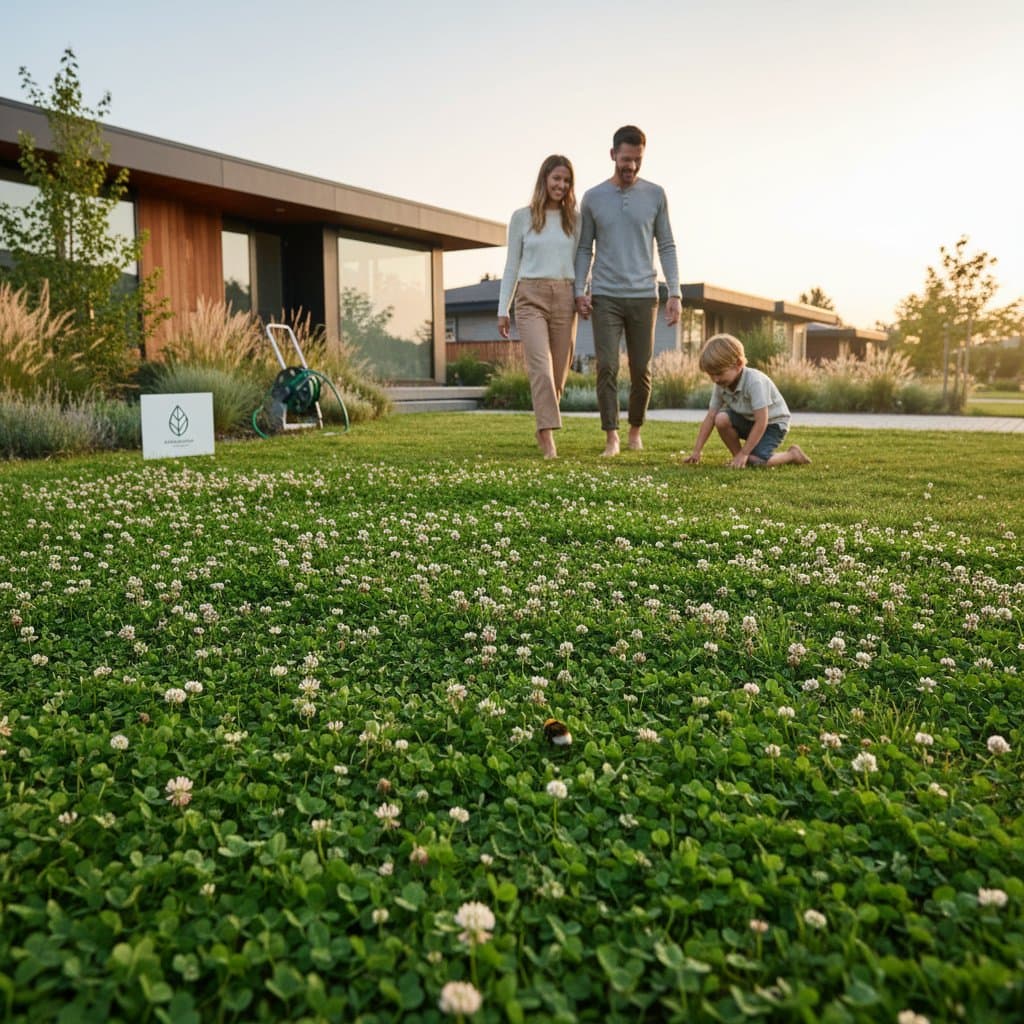
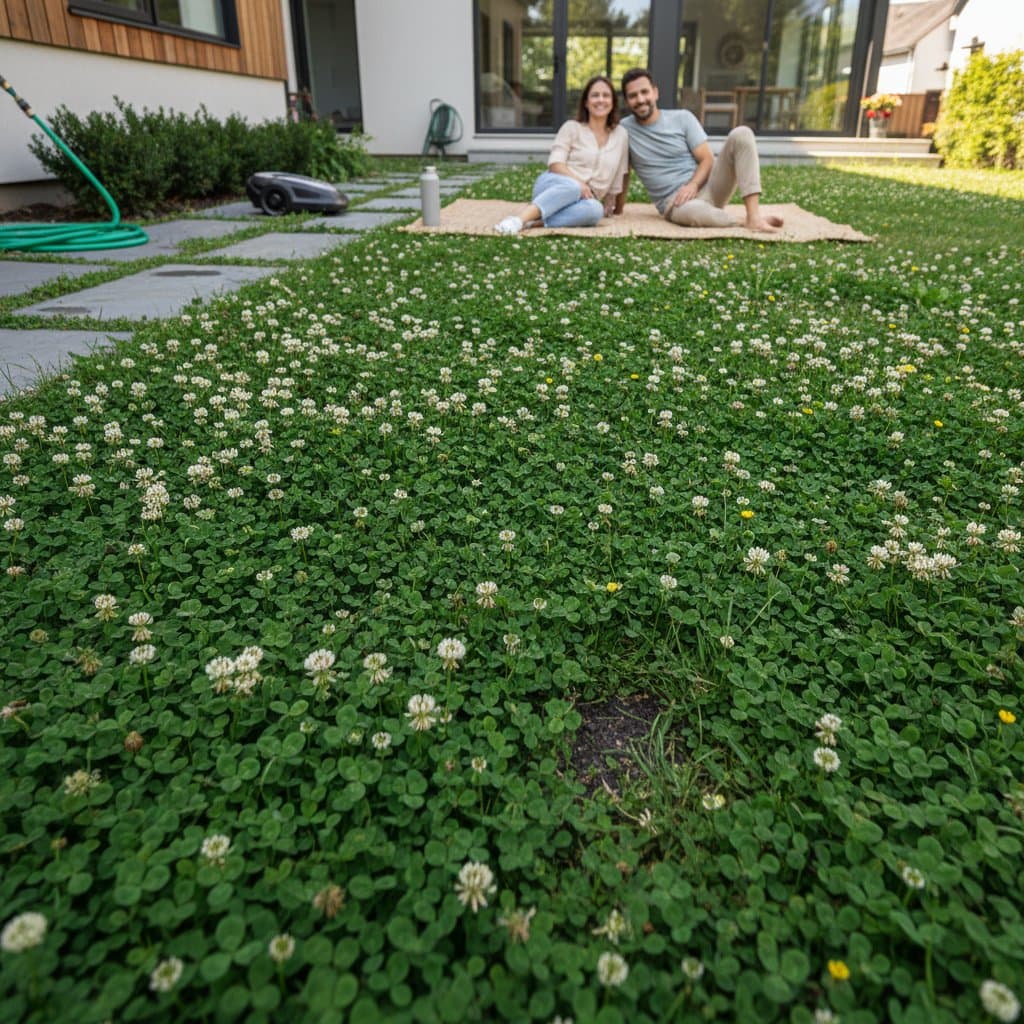
As homeowners rethink traditional lawns, clover is emerging as the sustainable alternative—lush, low-maintenance, and eco-friendly. With a 300% popularity surge, it offers natural nitrogen enrichment, drought resilience, and pollinator support. Discover how families like Adam and Lila’s are transforming their yards into vibrant, self-sustaining green spaces.

3 min read
Featured image for Clover Lawns Cut Mowing While Fixing Soil Naturally

Clover Lawns Cut Mowing While Fixing Soil Naturally

Clover lawns represent a forward-thinking approach to sustainable landscaping in 2025. They deliver dense, resilient greenery with reduced water needs and upkeep. Through soil nitrogen fixation, pollinator support, and less frequent mowing, clover fosters durable, environmentally conscious outdoor spaces. Discover variety selection, soil preparation, seeding methods, and design strategies for creating lasting, vibrant landscapes that benefit both ecology and daily life.

6 min read