
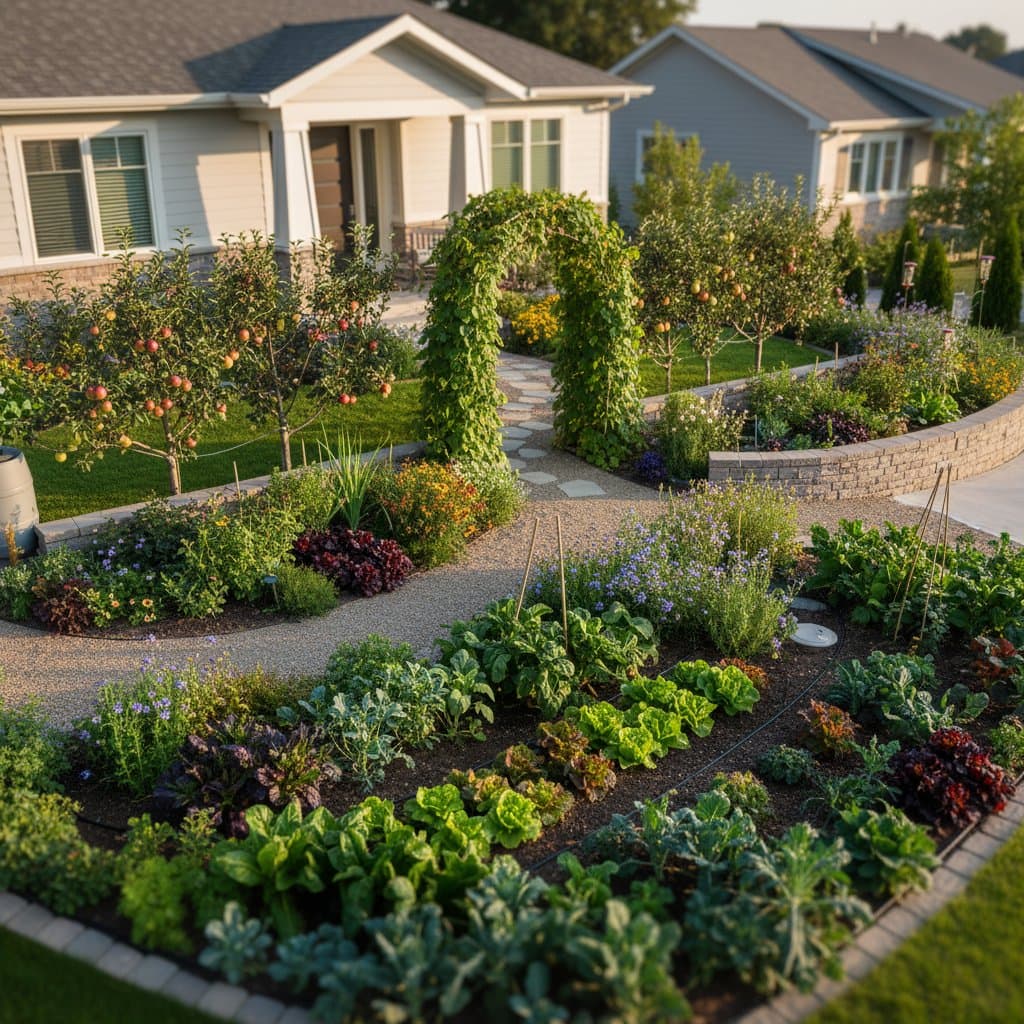
Introduction to Edible Front Yards
Front yards often serve as welcoming spaces that reflect personal style. Many homeowners overlook their potential for food production. An edible front yard combines ornamental beauty with practical yields, allowing for double harvests each year.
This approach saves space in traditional gardens and reduces grocery costs. It also promotes sustainability by minimizing food miles. Begin by assessing your yard's sunlight, soil type, and local climate to ensure success.
Planning Your Edible Landscape
Start with a clear vision for your front yard. Sketch a layout that balances edibles with decorative elements like paths and benches. Consider the yard's focal points, such as the entrance or windows, to guide plant placement.
Evaluate space constraints and zoning rules in your area. Some communities encourage edible landscapes through incentives. Allocate areas for perennials, annuals, and vertical structures to maximize productivity without overcrowding.
Incorporate companion planting to deter pests naturally. For example, pair herbs with vegetables to enhance growth. This planning phase sets the foundation for a harmonious and bountiful garden.
Selecting Plants for Double Harvests
Choose plants suited to sequential planting for two yields per season. Cool-season crops like lettuce and spinach thrive in spring and fall. Warm-season options such as tomatoes and beans fill summer months.
Opt for compact varieties to fit front yard dimensions. Dwarf fruit trees or berry bushes provide ongoing harvests. Include nitrogen-fixing plants like peas to enrich soil for subsequent plantings.
Select pollinator-friendly flowers to support yields. Marigolds and nasturtiums add color while repelling insects. Test soil pH and amend as needed to match plant preferences, ensuring vigorous growth.
Cool-Season Crop Recommendations
- Leafy greens: Kale, Swiss chard, and arugula regrow after cutting.
- Root vegetables: Radishes and carrots mature quickly for early and late harvests.
- Brassicas: Broccoli and cauliflower offer side shoots for extended picking.
Warm-Season Crop Recommendations
- Fruiting plants: Peppers, eggplant, and zucchini produce abundantly in heat.
- Vining crops: Cucumbers and squash climb trellises to save ground space.
- Herbs: Basil, cilantro, and dill bolt in summer but reseed for fall.
Soil and Water Management Strategies
Healthy soil supports double harvests by retaining nutrients and moisture. Test your soil annually and add organic matter like compost to improve structure. Mulch around plants to suppress weeds and regulate temperature.
Implement efficient watering to conserve resources. Drip irrigation delivers water directly to roots, reducing evaporation. Collect rainwater in barrels for use during dry spells, aligning with sustainable practices.
Rotate crops between seasons to prevent nutrient depletion. Avoid planting the same family in the same spot consecutively. This method boosts soil health and reduces disease risk over time.
Crop Rotation Techniques
Crop rotation involves shifting plant families across garden beds each season. Divide your yard into zones for legumes, leafy greens, roots, and fruits. Legumes fix nitrogen, benefiting subsequent heavy feeders like tomatoes.
In spring, plant cool-season crops in one zone while preparing warm-season beds. After the first harvest, clear spent plants and sow heat-tolerant varieties. Track rotations in a journal to refine the system yearly.
This practice enhances biodiversity and yield consistency. It also minimizes soil erosion in front yard settings exposed to foot traffic. Adjust based on your climate for optimal timing.
Design Tips for Curb Appeal
Blend edibles seamlessly with ornamental features to maintain neighborhood aesthetics. Use raised beds or containers for structured looks that contain growth. Edge beds with low-growing herbs like thyme for tidy borders.
Incorporate color contrasts for visual interest. Pair vibrant vegetable leaves with flowering perennials. Vertical elements like espaliered fruit trees add height without dominating the space.
Ensure accessibility for harvesting without disrupting the design. Place frequently picked items near paths. This thoughtful arrangement keeps the yard inviting and functional.
Maintenance for Sustained Productivity
Regular care sustains double harvests throughout the year. Prune plants to encourage bushier growth and remove diseased foliage promptly. Fertilize with balanced, organic options at key growth stages.
Monitor for pests and intervene with natural controls like neem oil. Weed consistently to prevent competition for resources. Winterize the garden by covering beds with straw to protect soil.
Seasonal cleanups prepare for the next cycle. Compost plant residues to recycle nutrients. These routines ensure long-term vitality in your edible front yard.
Maximizing Benefits from Your Garden
An edible front yard delivers fresh produce while fostering community connections. Share surplus harvests with neighbors to build rapport. Track your yields to celebrate progress and adjust strategies.
This setup lowers water bills through efficient practices and cuts carbon footprints. It transforms routine maintenance into rewarding activities. Embrace the dual role of beauty and bounty for enduring satisfaction.