
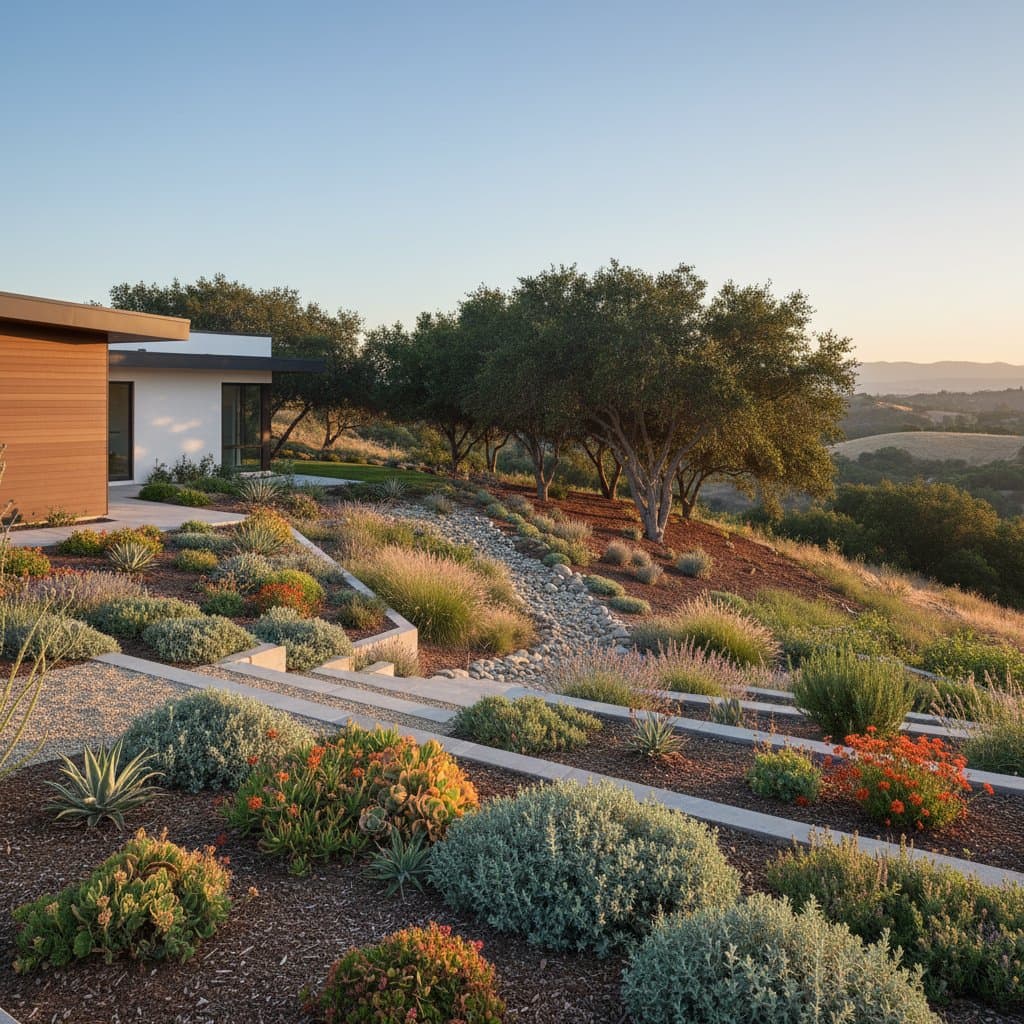
Defensible Space Mandates Expand to 15 States: Protect Your Property Effectively
Wildfire regulations continue to evolve nationwide, with fifteen states now mandating defensible space around residential properties. These measures address growing threats from intense fires, particularly in regions like the West and Southwest. Homeowners face not only legal obligations but also an opportunity to develop landscapes that enhance safety, resilience, and environmental harmony without compromising on design appeal.
Compliance involves creating intentional barriers that limit fire spread, yet these efforts can integrate seamlessly with local aesthetics. By focusing on plant selection, zoning, and upkeep, individuals can achieve a balance between protection and personal style. This approach proves especially relevant in fire-vulnerable areas such as California, Oregon, Colorado, and Arizona, where dry conditions amplify risks.
What Defensible Space Entails
Defensible space refers to the cleared or modified area surrounding a structure that acts as a firebreak. It provides critical separation between wildland vegetation and buildings, allowing flames to advance more slowly and enabling emergency responders to operate effectively. Regulations typically divide this area into two primary zones based on distance from the home.
Zone 1 covers the immediate perimeter, extending thirty feet outward. Within this area, vegetation must remain low-growing, widely spaced, and free of debris to minimize fuel for fire. Zone 2 extends an additional thirty to one hundred feet, permitting taller elements like shrubs and trees, provided they receive regular pruning to reduce canopy density and ladder fuels that could carry flames upward.
These zones adapt to local topography and climate, ensuring that protective measures align with regional ecosystems. For instance, in California's chaparral-dominated landscapes, emphasis falls on removing dense undergrowth, while in Oregon's forested zones, tree spacing takes precedence. Adhering to these guidelines not only satisfies state requirements but also fortifies properties against ember attacks and radiant heat.
Selecting Plants That Resist Fire
Fire-resistant plants play a pivotal role in defensible space by retaining moisture and exhibiting slower combustion rates. Such species typically feature high water content, minimal volatile oils, and flexible foliage that avoids rapid ignition. Incorporating them strategically reduces overall fire intensity around the home.
Consider these reliable options suited to various climates:
- California lilac (Ceanothus species): Offers vibrant blue flowers, thrives in dry soils, and maintains evergreen foliage with low flammability.
- Manzanita (Arctostaphylos): Known for its reddish bark and compact growth, this native burns slowly and supports wildlife.
- Agave and other succulents: These store water internally, resist drought, and create natural fire barriers with their rosette forms.
- Lavender (Lavandula): Provides fragrant, silver-gray leaves that ignite reluctantly, ideal for borders and low hedges.
- Sage (Salvia): Features soft, herbaceous growth with aromatic qualities that deter quick burning.
- Yarrow (Achillea): Produces feathery leaves and colorful blooms, tolerating poor soils while staying hydrated longer.
Steer clear of high-risk varieties such as junipers with their resinous needles, eucalyptus trees that release flammable vapors, and pines with accumulative dry litter. To optimize layout, cluster plants with similar irrigation needs and separate groups using non-combustible mulches like gravel or rock. This method not only curbs fire paths but also conserves water in arid environments.
Implementing Design and Maintenance Practices
Effective fire mitigation requires a blend of upfront planning and routine vigilance. Homeowners should view their yard as an integrated defense system, where each component contributes to overall resilience. Begin by assessing current conditions and mapping out zones to guide modifications.
Follow these essential steps for implementation:
-
Clear the inner perimeter. Maintain a five-foot radius around the home free of vegetation; opt for inorganic ground covers such as decomposed granite, river rock, or concrete pavers to eliminate organic fuels.
-
Prune proactively. Remove dead branches, ladder fuels, and overhanging limbs within ten feet of structures; schedule trims twice yearly to prevent buildup of dry material.
-
Water strategically. Employ drip irrigation for deep root penetration, avoiding shallow surface watering that promotes flammable, leggy growth; adjust schedules based on seasonal rainfall.
-
Incorporate hardscape elements. Install firebreaks like stone walls, gravel paths, or elevated decks to interrupt fuel continuity and redirect potential fire paths.
-
Manage storage and accessories. Position firewood stacks at least thirty feet from buildings, elevate propane tanks on non-flammable bases, and store cushions indoors during fire seasons.
-
Screen and seal vulnerabilities. Fit mesh over attic vents and chimneys to block ember entry, and choose heat-reflective roofing and siding materials for added durability.
Regular inspections, especially after storms or dry spells, ensure sustained effectiveness. These practices extend beyond immediate safety, fostering yards that require less upkeep and integrate with broader community fire prevention efforts.
Embracing Resilient Landscapes for Long-Term Security
Adopting fire-resistant landscaping transcends mere regulatory adherence; it cultivates outdoor spaces that endure environmental stresses while enriching daily life. Native plants, adapted to local conditions, demand fewer resources and bolster biodiversity by attracting birds and beneficial insects. A thoughtfully planned yard can showcase layered textures, from ground-hugging succulents to mid-height perennials, all while meeting safety standards.
In the fifteen states with these mandates—including California, Colorado, Idaho, Montana, Nevada, New Mexico, Oregon, Utah, Washington, and others in the East and South—homeowners gain a proactive edge against escalating wildfire threats. By prioritizing durable selections and meticulous care, properties become sanctuaries that withstand dry winds and prolonged heat. This investment yields not only compliance but enduring tranquility, knowing that every landscape choice fortifies home and habitat alike.