
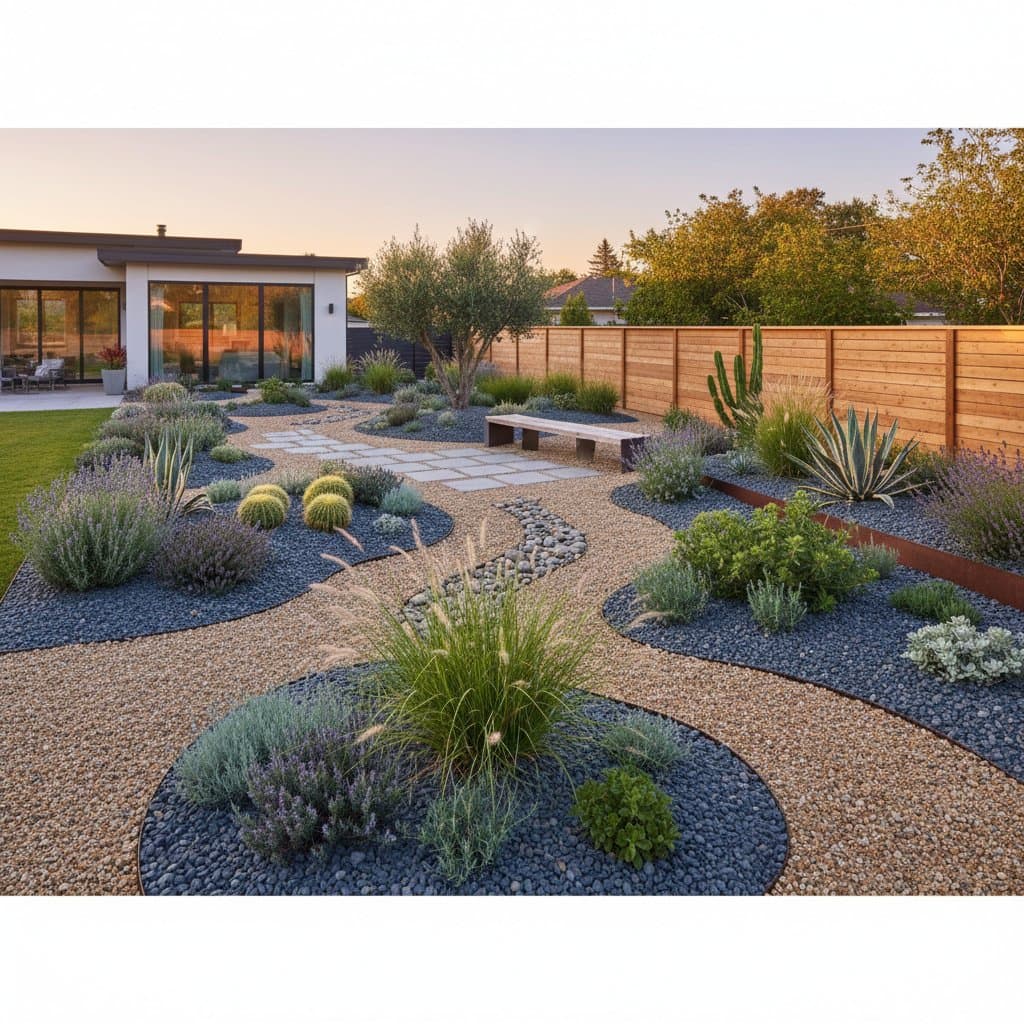
Gravel Gardens: 70 Percent Less Maintenance Than Traditional Lawns
Homeowners often spend weekends on mowing, edging, fertilizing, and watering. Gravel gardens offer a solution that restores free time while preserving property aesthetics. These landscapes rely on texture, color, and form rather than water-intensive grass. They demand approximately 70 percent less upkeep than conventional lawns and deliver a polished appearance that endures in arid environments. Residents in California and similar semi-arid areas find this method both functional and elegant.
Why Gravel Gardens Perform Effectively
A gravel garden extends beyond mere rocks on the ground. It functions as an integrated system that nurtures plants adapted to arid conditions. The gravel layer serves as mulch to inhibit weeds, regulate soil temperature, and limit evaporation. Below ground, proper soil preparation ensures excellent drainage, which suits most drought-resistant species. This setup eliminates frequent mowing, irrigation, fertilization, and pest management.
Traditional lawns require ongoing vigilance, but established gravel gardens maintain themselves with ease. The gravel stabilizes soil to prevent erosion and compaction. It also deters weeds that flourish in fertile, damp conditions. The outcome is a tidy, eco-conscious landscape that remains appealing across seasons.
Establishing a Solid Foundation
Success in gravel gardening begins with meticulous site preparation. Before placing any gravel, evaluate sunlight patterns, drainage flow, and usage intensity. This assessment shapes the garden's visual and functional outcomes.
- Clarify objectives. Determine if the space serves as an ornamental front yard, a water-efficient courtyard, or a versatile patio area. These choices guide plant varieties and arrangement.
- Examine soil composition. Opt for permeable soils in gravel gardens. Amend heavy clay with decomposed granite or coarse sand to enhance percolation.
- Outline edges. Employ borders such as steel strips, natural stone, or durable recycled plastic to contain gravel and avoid spillover into neighboring beds.
- Apply weed suppression. Position permeable landscape fabric beneath the gravel to curb weed emergence while permitting water passage.
Thorough preparation minimizes future issues. Neglecting these steps frequently results in poor drainage or recurring weeds, which compromise the garden's low-effort design.
Choosing Appropriate Gravel Types
The gravel selection influences aesthetics and functionality. Proper size and hue integrate seamlessly with home architecture and surroundings. Inappropriate options may complicate upkeep or disrupt harmony.
- Pea gravel delivers a gentle surface suitable for walking paths and lounging zones due to its smooth feel.
- Crushed granite forms a firm base that interlocks securely, perfect for driveways or outdoor seating.
- River rock introduces striking patterns but requires moderation, as rounded edges permit greater shifting.
- Decomposed granite yields a smooth, packed texture that holds steady and accommodates pots or furnishings.
Match colors to property elements. Earthy shades complement adobe and clay materials, whereas neutral grays and whites align with contemporary or seaside themes. Sourcing local stone lowers shipping expenses and ecological footprint.
Effective Planting Techniques for Durability
Gravel gardens succeed through selective planting and strategic placement. Aim for visual richness using species that endure sparse soil and infrequent watering.
- Build foundational elements. Incorporate evergreen shrubs such as rosemary, lavender, or compact olive varieties for persistent shape and interest.
- Incorporate variety and motion. Select ornamental grasses like blue fescue, feather reed grass, or muhly grass to temper the gravel's hardness and add gentle sway.
- Add seasonal accents. Choose perennials including yarrow, salvia, and penstemon for vibrant flowers that require minimal hydration.
- Vary elevations and forms. Group plants rhythmically and combine rounded mounds with vertical accents for dynamic contrast.
- Prioritize regional natives. California species like manzanita, sage, and buckwheat thrive in local aridity, further easing care demands.
Proper spacing prevents resource rivalry. Allow ample room for full growth to avoid barren patches or overcrowding. The design matures organically, reducing the need for frequent trimming or replacements.
Streamlined Watering and Upkeep Routines
Gravel gardens require minimal intervention, though periodic care sustains vitality.
- Apply deep, spaced irrigations. After rooting, provide thorough watering every two to four weeks. Subsurface drip systems optimize efficiency by curbing surface loss.
- Remove weeds promptly. Despite barriers, stray plants may sprout; extract them manually prior to seeding.
- Replenish gravel periodically. Rake surfaces every few years and add material to worn areas for uniform coverage.
- Trim judiciously. Cut back flowering perennials post-bloom for neatness; these plants respond best to gentle shaping.
- Maintain optimal depth. Aim for two inches of gravel; insufficient layers invite weeds, while excess may hinder seedling growth.
These practices slash time commitments versus lawn care. Eliminate weekly mowing, routine feeding, or daily watering tweaks.
Drawing Ideas from California Environments
California's diverse geography inspires gravel garden creativity. Seaside lots pair light gravel with succulents such as agave and aeonium for a crisp effect. Interior regions benefit from amber decomposed granite mirroring nearby terrains. Mountain settings favor native grasses and sagebrush for seamless environmental integration.
Incorporate usable features for enhanced livability. Embed flagstone or concrete within gravel for durable patios. Position low-voltage lights along routes for secure, inviting illumination. Arrange movable chairs and color-coordinated pots to foster relaxation. Such elements blend beauty with utility, extending indoor comfort outdoors.
Sustainability and Cost Advantages
Gravel gardens promote enduring environmental health. They preserve water resources, limit chemical applications, and support pollinator populations. Decreased mowing cuts pollution and disturbance. Initial expenses recoup via reduced bills for water and labor.
Gravel endures without breakdown, unlike decaying mulches demanding renewal. This longevity appeals to those seeking enduring, hands-off solutions. For budget-conscious individuals prioritizing climate stewardship, these gardens deliver practical and principled value.
Adapting and Enjoying Your Gravel Garden
An established gravel garden integrates seamlessly into daily life. Appreciate native floral displays, whispering grasses, and the ease of a well-kept space free from toil. The understated design often cultivates a more serene connection to nature.
Modifications prove straightforward. Introduce fresh plants, relocate lounging spots, or rearrange containers with little disturbance.
Embracing the Rewards of Gravel Gardening
Gravel gardens harmonize control and natural flow. They align with regional weather patterns, honor deliberate planning, and free up time from routine chores. Opting for gravel over grass fosters resilience, longevity, and tranquility. Create a contemporary oasis or wildlife haven; this choice yields sustained benefits with exceptional efficiency.