
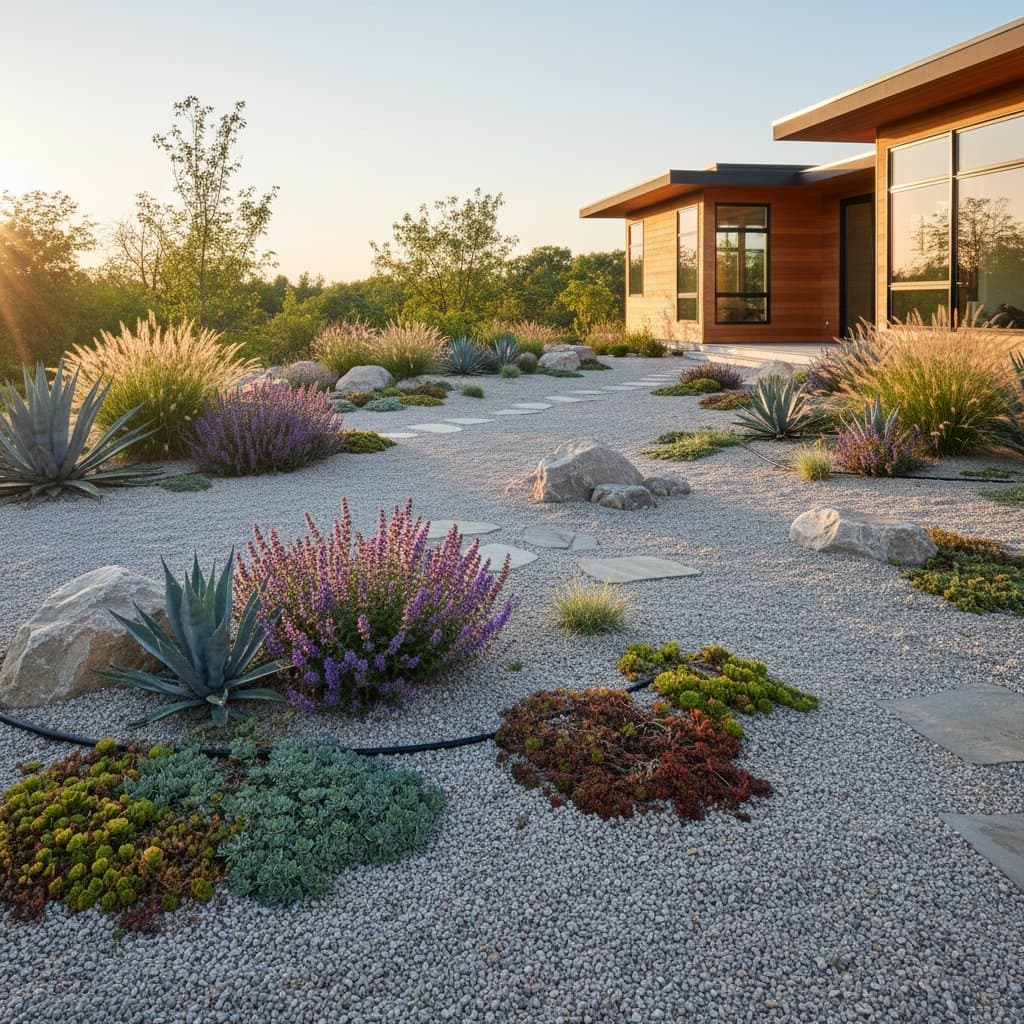
The Rise of Low-Maintenance Gravel Gardens That Conserve 70 Percent of Water
Gravel gardens transform homeowner perspectives on yard design. These landscapes merge substantial water conservation with subtle elegance suited to arid regions and contemporary settings. By incorporating appropriate plants, varied textures, and select materials, a gravel yard achieves up to 70 percent less water usage than a standard lawn, while maintaining a vibrant, multifaceted appearance.
The key element is equilibrium. Such gardens flourish with reduced watering yet avoid appearing barren. They foster tranquility, attract wildlife, and streamline care routines. The outcome is an all-season landscape that enhances aesthetics and reclaims time previously devoted to mowing or irrigating.
Quick Overview
Ideal Locations: Arid and semi-arid areas
Scalability: Adapts from compact courtyards to expansive estates
Best Climates: Dry or Mediterranean environments
Primary Objectives: Lower water demands, decrease upkeep, enhance visual interest
1. Establish a Solid Base
Success in a gravel garden starts with meticulous site preparation. Effective drainage forms the cornerstone of its performance. Clear away existing grass, then contour subtle slopes to direct water from buildings. Install a permeable fabric to suppress weeds, followed by a blend of fine and coarse gravel for a stable, porous foundation.
A designer observes: “Gravel serves beyond aesthetics; it integrates into the soil ecosystem. It bolsters root systems while permitting rainwater to infiltrate naturally.”
This configuration averts pooling and erosion, maximizing rainwater retention. Aesthetically, the gravel provides a versatile backdrop that accentuates elements like oxidized metal borders or lush greenery. Opt for crushed rock or decomposed granite in subdued shades such as soft buff, neutral gray, or earthy beige to achieve an organic feel.
Visual Highlight: Winding gravel paths lead toward resilient, water-efficient plant clusters.
2. Select Native and Mediterranean Plants Strategically
Choosing suitable vegetation elevates gravel from mere ground cover to a vibrant ecosystem. Prioritize native plants and those from Mediterranean origins, which endure heat and drought with ease. Organize groupings based on hydration requirements, positioning more demanding species near shaded borders or rainwater harvesting features.
Designers often recommend combinations like salvia, lavender, and sedum alongside grasses such as little bluestem or prairie dropseed. These choices develop extensive root networks, secure the earth, and produce blooms across multiple months. The result is a composed, purposeful vista where hues and shapes evolve with daily sunlight variations.
Practically, native selections draw pollinators and eliminate fertilizer needs. Gravel helps regulate soil warmth, safeguarding roots from temperature swings. This interplay of rigid and flexible components yields a resilient garden demanding scant intervention.
3. Incorporate Textures Intentionally
In gravel gardens, texture rivals color in importance. Diverse surfaces enrich the environment, even with limited foliage. Pair rugged gravel with polished river stones, or introduce irregular flagstone steps to direct foot traffic.
A landscape architect notes: “Texture provides dimension when blooms subside. It sustains intrigue without relying on perpetual flowering.”
Texture also denotes utility. Coarser gravel delineates safe walking zones, whereas finer varieties near seating or entrances enhance footing comfort. Blending elements avoids uniformity and elevates the space to a thoughtfully crafted retreat rather than an unadorned expanse.
Visual Highlight: A rounded pea gravel lounge area offsets sharp-edged crushed granite trails.
4. Implement Efficient Watering and Harvesting Systems
Drought-adapted gardens require hydration during initial growth phases. Drip irrigation delivers water precisely to plant roots, minimizing waste. Integrate automated controllers to prevent excess application.
Incorporate rain barrels or contour swales to gather and redistribute runoff. Site thirstier plants adjacent to these capture zones to optimize natural precipitation. Established gardens often need only infrequent, thorough soakings.
One contractor explains, “Invisible, precise irrigation maintains a naturalistic appearance and superior function.” Together, gravel as mulch and targeted drips achieve approximately 70 percent water savings over traditional turf.
5. Introduce Shade and Architectural Features
Shade elements prolong usability in gravel gardens, accommodating longer daily enjoyment. Install pergolas, arbors, or slender trees like desert willow or olive for dappled illumination and vertical interest. These additions segment vast gravel expanses and foster localized humid pockets.
Shaded areas moderate temperatures and shield sensitive flora from harsh rays. Structurally, they ground the overall scheme and define social areas. Select materials such as cedar, coated steel, or salvaged timber to harmonize with gravel palettes.
Visual Highlight: A latticed pergola projects intricate shadows over a gravel outdoor dining zone.
6. Streamline Upkeep Through Thoughtful Practices
Minimal care defines gravel gardens, though vigilance remains essential. Periodically rake the gravel to alleviate compaction and clear debris. Apply preventive herbicides or manually extract weeds promptly to curb proliferation.
Proper plant intervals prove crucial. Compact arrangements shade ground, curb moisture loss, and suppress intruders. Maintain slight separations between gravel and plant bases to deter moisture-related decay. Annual gravel replenishment preserves a crisp, uniform surface.
A horticulturist comments, “Gravel matures elegantly. Seasonal touch-ups ensure deliberate polish.” These routines supplant laborious lawn tasks, allowing more leisure.
7. Secure Boundaries for Precision and Stability
Undefined perimeters allow gravel to encroach on adjacent areas. Employ metal, rock, or concrete edging to contain materials effectively. Sleek steel provides a contemporary edge, while boulders or low walls suit informal aesthetics.
Borders fulfill practical and artistic roles. They halt soil loss, retain coverings, and outline compositions akin to frame edges. Paired with bold plant groupings, they steer visual flow and clarify spatial organization.
Visual Highlight: Weathered corten steel confines light gravel beside rows of lavender.
8. Enhance with Furniture and Illumination
Gravel gardens gain liveliness through human-scale elements. Position durable teak seats or metal chairs in spots bathed by soft dawn or dusk light, ensuring glare-free relaxation.
Illuminate for nighttime appeal with low-wattage or solar-powered lights along routes and foliage outlines. Select 2700 K warm tones to echo stone warmth.
A designer remarks, “Strategic lighting prolongs outdoor hours with gentle radiance.” It ensures secure navigation and atmospheric depth at low energy cost.
9. Infuse Year-Round Appeal
Drought-resistant designs benefit from cyclical variety. Select flora offering motion via swaying stems, persistent seed pods, or gradual tonal shifts. Grasses undulate in breezes, succulents exhibit form, and perennials cycle through flowering stages. Accent with clay vessels or patinated accents for evolving highlights.
These changes avert dullness and mirror environmental rhythms. Neutral gravel amplifies transitions, delivering understated seasonal theater.
Visual Highlight: Fall grasses glow in amber hues atop a gravel platform.
Nurturing Long-Term Garden Vitality
Gravel gardens yield returns through steady maturation. As roots deepen and surfaces settle, stability and allure intensify. Maintenance eases, and utility costs decline markedly, affirming the design's enduring efficiency.