
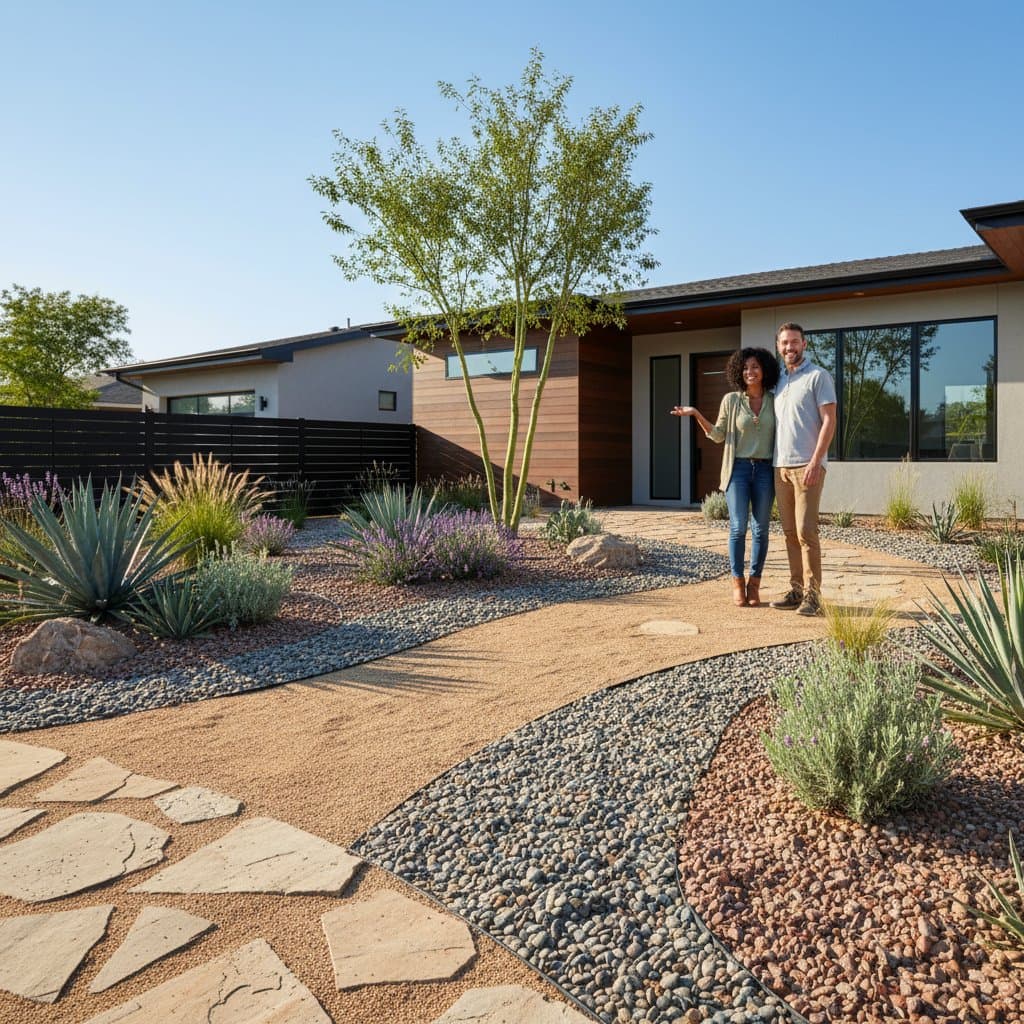
The Rise of Gravel Landscaping for Cost Savings
Homeowners like Sam and Lila Torres faced steep water bills after purchasing their hillside property. The expansive view drew them in, yet the thirsty lawn demanded constant attention and resources. Seeking a refined, low-effort alternative, they consulted Claire Mendoza, a designer at IntePra Gardens. Her recommendation involved dismantling the existing turf and installing a layered gravel system that promised both aesthetic elevation and practical efficiency.
This approach transformed their yard into a model of sustainability. By shifting from high-maintenance grass to permeable gravel surfaces, the couple achieved a 60 percent reduction in water expenses. The design not only conserved resources but also created a space that required minimal intervention, allowing more time for enjoyment.
Designing for Simplicity and Performance
The initial yard featured uneven turf patches and underperforming shrubs that struggled against the slope. Routine tasks such as irrigation, mowing, and nutrient applications drained both time and finances with little lasting benefit. Claire's strategy focused on simplification: excavate the turf, recontour the terrain, and layer materials that promote drainage and durability.
Installation started with professional grading to establish subtle terraces. These levels prevented soil displacement during rains and created defined zones for gravel placement. Low-profile steel edging outlined each area, ensuring materials stayed in place while directing excess water toward integrated planting beds.
Claire notes, "Gravel establishes a serene pattern in the landscape. It shifts with sunlight throughout the day and complements resilient vegetation seamlessly. After setup, maintenance becomes a minor aspect of yard care."
Key Layers in the Gravel System
The design employed multiple gravel types for varied texture and function:
-
Base Layer (Decomposed Granite): This fine, compacted material forms a stable foundation that resists shifting on slopes. It measures about two inches thick and allows water to infiltrate rather than pool.
-
Mid Layer (Pea Gravel): Small, rounded stones add a polished finish and facilitate easy foot traffic. Scattered at one inch deep, they enhance visual interest without trapping debris.
-
Accent Elements: Boulders and larger rocks punctuate the layout, providing focal points and natural barriers against erosion.
Native plants, selected for drought tolerance, fill strategic pockets. Species like lavender and agave thrive with minimal irrigation, drawing pollinators and adding color contrasts against the neutral gravel tones.
The Practical Advantages of Gravel Over Traditional Turf
Gravel has gained traction in modern landscaping due to its dual appeal in form and utility. It serves as a versatile canvas that highlights vegetation, outdoor furnishings, and structural details without overwhelming the scene. Maintenance costs drop significantly compared to lawns, which require weekly care and seasonal overseeding.
Experts at IntePra Gardens outline three core upkeep activities for gravel yards:
-
Raking Sessions: Perform a brief sweep weekly to even out gravel after foot traffic or gusts. Use a wide rake to avoid displacing finer particles.
-
Weed Management: Address sprouts promptly in the establishment phase, typically the first season. Hand-pulling suffices, or apply mulch barriers around plants to suppress growth.
-
Material Refresh: Add a thin topcoat every two to three years to preserve vibrancy. Source matching gravel from the same supplier to maintain consistency.
Permeability stands out as a primary benefit. Unlike compacted dirt, gravel permits rainwater to seep through, minimizing erosion and complying with water conservation mandates in arid areas. This feature also lowers municipal stormwater fees for urban properties.
Integrating Functionality with Aesthetic Appeal
Every component in the Torres yard contributes to both beauty and performance. The gravel expanse moderates ambient temperatures by dispersing solar heat, unlike dark pavements that absorb and radiate warmth. This effect cools adjacent interiors, potentially reducing air conditioning demands by several degrees.
Seating arrangements align with natural shade from overhanging trees or built-in pergolas. Such positioning eliminates the need for supplemental covers, streamlining daily use. The addition of a compact ceramic fountain, powered by a low-flow recirculating system, provides soothing ambiance while conserving water through closed-loop circulation.
Lighting and Pathway Enhancements
Pathways receive subtle illumination via low-voltage LED fixtures embedded in the edging. These units draw minimal power and cast focused beams that delineate routes without harsh shadows. Solar alternatives offer even greater efficiency for edge-lit borders, activating at dusk and conserving energy overnight.
Real-Life Experiences and Long-Term Benefits
Several months post-installation, the Torres landscape retains its initial polish. Showers result in brief dampness followed by rapid evaporation, eliminating slick or soiled areas. The family hosts gatherings with greater frequency, as the yard accommodates activities from dawn relaxation to evening dinners seamlessly.
Weekly care amounts to roughly fifteen minutes. Raking addresses impressions from play or passage, while selective pruning keeps plant forms tidy. The gravel palette, blending warm earth tones, evolves subtly with seasonal light, ensuring year-round allure.
Ecological contributions extend beyond water savings. The permeable design filters pollutants from runoff, supporting groundwater recharge. Native flora fosters biodiversity, inviting birds and insects essential to local food chains. The Torres family values this harmony, enjoying a yard free from pesticides and excessive irrigation.
Steps to Implement Gravel Landscaping in Your Yard
Transitioning to gravel requires thoughtful planning for optimal results. Begin with a site assessment to evaluate slope, soil type, and sunlight exposure. Consult professionals like those at IntePra Gardens to customize layers based on your climate and preferences.
Budget considerations include initial excavation and material sourcing, offset by long-term savings. Expect costs 30 to 50 percent lower than turf installation over five years, factoring in reduced labor and utilities. Source gravel locally to minimize transport emissions and ensure quality.
For DIY enthusiasts, start small: test a pathway or border to gauge maintenance needs. Scale up gradually, incorporating plants that match your region's hardiness zones. This methodical approach yields a durable, inviting space that enhances property value and lifestyle quality.